
Building a cohousing community is one challenge. Living in one well, year after year, is another. Day-to-day community life depends on clear ways to make decisions, fair sharing of work and costs, traditions like shared meals that bring people together, and a healthy approach to conflict.
This section explores daily life in cohousing and compares cohousing with other forms of shared living.
Guides in this section
- Decision-making Consensus, sociocracy and voting fallbacks, working groups, running good meetings, conflict and community agreements, and fitting with strata law.
- Shared meals and the common house Cooking teams, sign-ups and costs, dietary needs, food safety and getting the most from the common house.
- Ecovillages and other shared living Ecovillages, co-living, housing co-operatives, retrofit cohousing, multigenerational living and share houses compared.
Meetings
Regular
Often monthly
Working bees
Shared work
Gardens and buildings
Optional
Shared meals
Join when you can
What makes a community thrive
Long-established communities often point to:
- clear agreements about participation, shared spaces and costs;
- good meetings with trained facilitators;
- regular shared meals and celebrations;
- fair sharing of work, with flexibility for people's circumstances;
- early, respectful handling of conflict;
- welcoming new members and passing on community knowledge.
Sharing the work
Communities share tasks such as gardening, cleaning the common house, maintenance, cooking and administration. Common approaches include rosters, working groups, regular working bees and, for some tasks, paying contractors from shared funds. Be realistic and flexible: people's capacity changes with work, health and family.
Sharing the costs
Shared costs, such as insurance, maintenance and the sinking fund, need a fair, agreed method. Try our cost splitter to compare equal, area-based and blended methods, and read finance and costs.
Welcoming new members
When homes change hands, communities welcome new residents by:
- explaining agreements, traditions and decision-making;
- pairing them with a buddy;
- inviting them to meals and events;
- encouraging them to join a working group.
Whether you're already living in cohousing or still planning, these guides offer practical ideas you can adapt to your community.
Common mistakes
- Letting a few people do most of the work.
- Avoiding conflict until it escalates.
- Neglecting social time.
- Not reviewing agreements as the community changes.
What a typical month might look like
Every community is different, but a month in a mid-sized cohousing community might include:
- two or three shared dinners a week, with each adult cooking once or twice a month;
- one whole-community meeting, plus a few working group meetings;
- a working bee to tackle gardens, gutters or repairs;
- a celebration such as a birthday, seasonal festival or film night;
- plenty of informal contact: conversations on the path, borrowed tools, shared lifts and children playing together.
Some residents take part in nearly everything; others choose a lighter role. Most communities set minimum expectations, such as attending meetings and doing a share of work, and leave the rest to individual choice.
Balancing privacy and community
One of cohousing's strengths is that people can choose how much community they want on any given day. Good design helps, with private homes and gardens, porches and shared paths. So do clear social norms: a closed door means "not now", and nobody is expected to attend every event. Agree these norms early, and revisit them as the community changes.
When people's circumstances change
Over the years, residents will have babies, change jobs, get sick, age and sometimes separate or move away. Communities that thrive plan for change. They might:
- adjust work expectations for people caring for babies or unwell family members;
- support older residents to stay in their homes, while being clear that neighbours are not carers;
- have clear processes for selling or renting homes and welcoming new members;
- review agreements regularly to make sure they still fit.
Getting help from outside
Even experienced communities sometimes need outside help. Trained facilitators can run difficult meetings, mediators can help with serious conflicts, and specialists can advise on governance, legal and financial issues. Using outside help early is a sign of strength, not failure.
Rules and agreements most communities have
Most communities write down agreements on a similar set of topics: participation in meetings and work, use of the common house and guest rooms, pets, noise, parking, children's play, shared costs, and how homes are sold or rented. Clear, written agreements reduce misunderstandings and make it easier to welcome new members. Review them every year or two, and when circumstances change.
Where to find more information
Cohousing networks publish guides to governance, meals and community life, and many communities share their agreements as examples. Wikipedia's articles on consensus decision-making and sociocracy give useful background, and Food Standards Australia New Zealand explains food safety for cooking at scale.
Living in community is a skill that grows with practice. Communities that keep learning, by reviewing how meetings went, trying new traditions and inviting feedback, tend to become stronger over time. Residents often say their community's culture is its most valuable asset, more important than any building.
Whatever stage you're at, talking with people who have lived in or built cohousing is one of the most valuable things you can do. Their experience, good and bad, will help you make better decisions and set realistic expectations for the road ahead.
Key points
Living well in cohousing depends on clear decision-making, fair sharing of work and costs, traditions like shared meals, healthy conflict resolution and welcoming new members. Compare cohousing with other shared living options to find what suits you.
Guides in this section
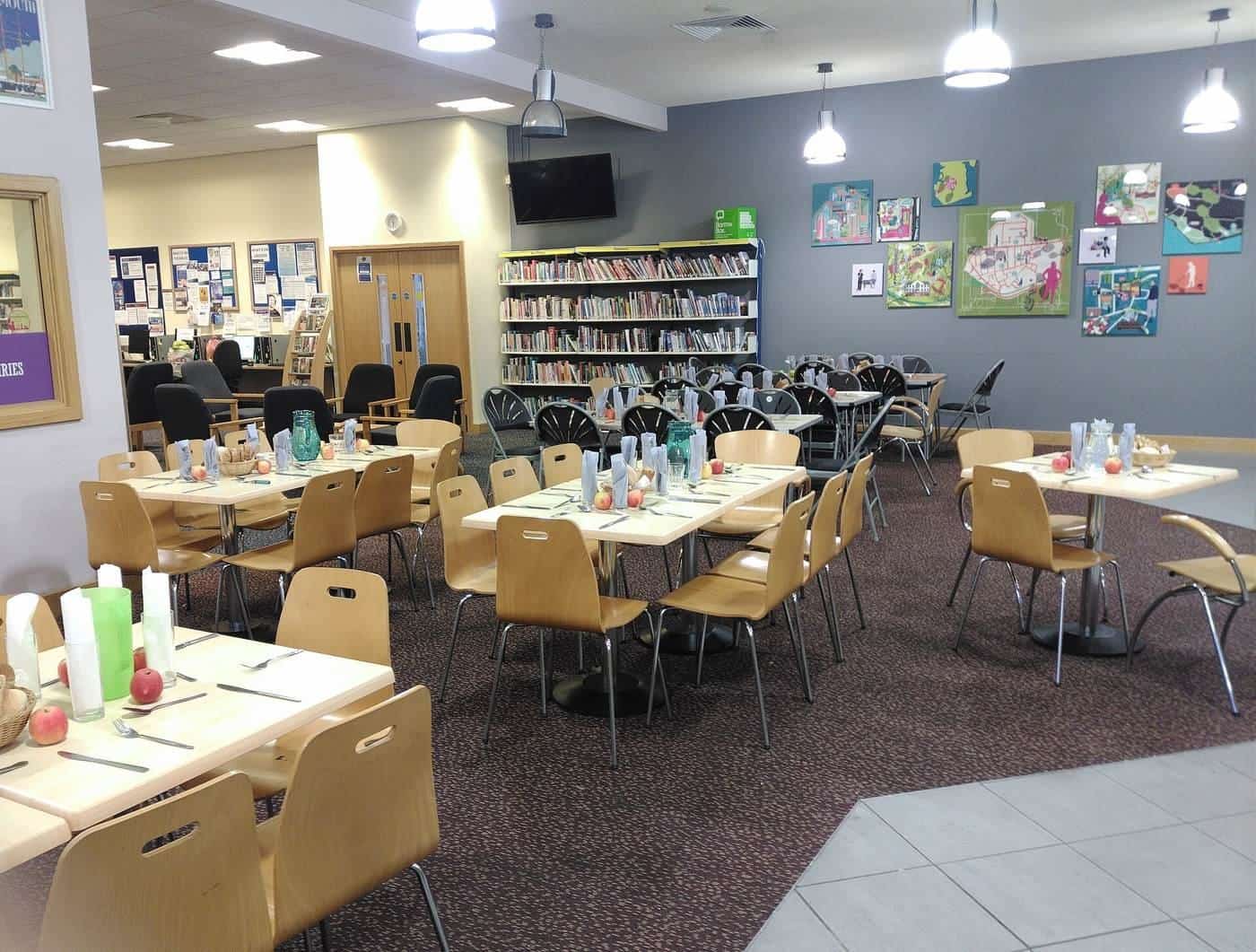
Living together
Decision-making in cohousing
How cohousing communities make decisions: consensus, sociocracy, voting fallbacks, working groups, good meetings, conflict resolution and community agreements.
Read · 5 min
Living together
Shared meals and the common house
How shared meals work in cohousing, organising cooking teams and costs, dietary needs and food safety, and getting the most from a common house.
Read · 5 min

Living together
Ecovillages and other kinds of shared living
How cohousing compares with ecovillages, co-living, housing co-operatives, retrofit cohousing, multigenerational homes and share houses in Australia.
Read · 5 min
Frequently asked questions
How much time does living in cohousing take?
It varies by community and person. Expect regular meetings, working bees and occasional cooking, with more involvement if you join working groups.
How do cohousing communities resolve conflict?
With community agreements, direct conversation, a step-by-step conflict process and, if needed, trained mediators.
Do I have to join shared meals?
Usually not. Meals are typically optional.
Can I rent out my cohousing home?
It depends on the community's legal structure and agreements. Some allow it with conditions; others restrict it.
What other shared living options are there?
Ecovillages, co-living, housing co-operatives, retrofit cohousing, multigenerational homes and share houses.
Sources and further reading
Facts on this page were checked against these primary and official sources. Conditions change — confirm before you travel or buy.
- Consensus decision-making — Wikipedia
- Sociocracy — Wikipedia
- Food safety — Food Standards Australia New Zealand
- Ecovillage — Wikipedia