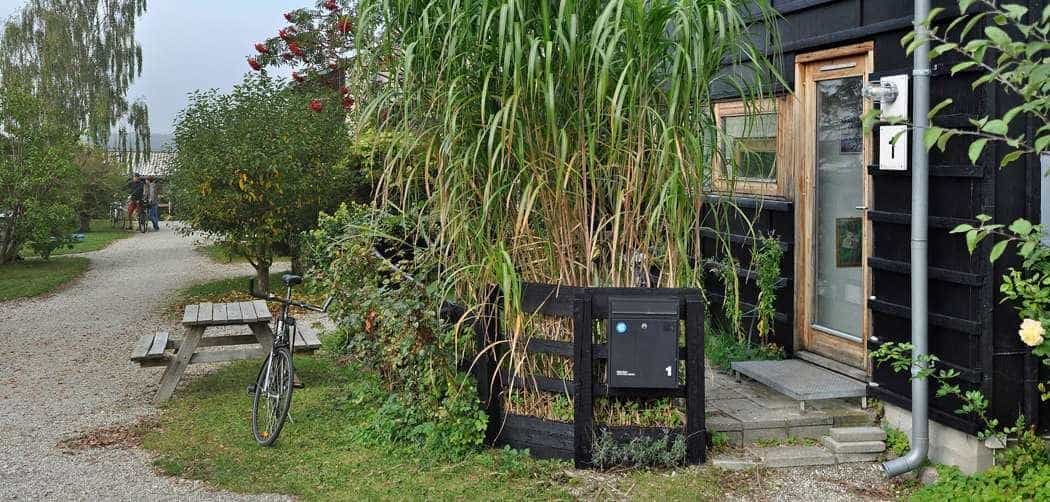
Cohousing is a simple idea with a long history: households live in their own homes but share facilities, meals, work and decisions with their neighbours. It's a way to have both privacy and community, and it has attracted families, older people and singles around the world for more than fifty years.
This section explains how cohousing works and what defines it, traces its history from Denmark to Australia, looks at Australian communities and models, and explores seniors cohousing as a way to age in community.
Guides in this section
- Cohousing explained The core idea, six defining features, how cohousing differs from co-living, communes and strata, daily life, benefits and challenges.
- A short history of cohousing Danish origins, Trudeslund, the 1988 book that named cohousing in English, senior cohousing and the spread to Australia.
- Cohousing in Australia Communities often cited, models in use, barriers to development and how to find a group.
- Seniors cohousing Ageing in community, examples from Denmark and the UK, comparison with retirement villages and planning for care.
1970s
First communities
Denmark
1988
English name
McCamant and Durrett
6
Defining features
Commonly cited
The essentials in brief
Private homes
Every household has a complete, self-contained home with its own kitchen. Homes are often slightly smaller than average because some functions move to shared spaces.
Shared spaces
A common house typically includes a large kitchen and dining room, plus spaces such as guest rooms, laundry, play areas and workshops. Shared gardens and paths connect homes.
Resident-led
Residents take part in designing the community, manage it themselves and make decisions together. They keep their own finances.
Community by choice
Shared meals, working bees and events are usually optional. People choose how much to take part in on any given day.
Who lives in cohousing?
Cohousing communities include families with young children, older people, single people and couples. Some communities are intergenerational; others focus on particular groups, such as seniors. What residents tend to share is a desire for connection and a willingness to contribute.
Benefits and trade-offs
People drawn to cohousing often mention:
- knowing their neighbours and having support close by;
- a safer, more social environment for children;
- less loneliness, especially later in life;
- sharing resources and living more sustainably.
The trade-offs include time spent on meetings and shared work, working through conflict, less anonymity and, for new communities, long development timeframes and financial risk.
A short glossary
- Common house: the shared building at the heart of a community.
- Forming group: a group planning a new community.
- Retrofit cohousing: neighbours in existing homes sharing community life and facilities.
- Participatory design: future residents shaping the design with an architect.
- Bofællesskab: the Danish word for cohousing.
Where to go next
If you're ready to explore further, read about starting a community or living together. Visiting an existing community, or attending an information evening run by a cohousing network, is the best next step.
Whether you're simply curious or ready to take the next step, these guides will help you understand what cohousing involves and whether it might suit you and your household.
Common misconceptions
- Cohousing is the same as a commune.
- You have to share every meal.
- It's always cheaper than other housing.
- It's only for one kind of person.
How cohousing feels day to day
Residents often describe the everyday moments as the best part: a child running over to a neighbour's porch, someone dropping off soup when you're unwell, an impromptu conversation on the path, a shared dinner after a long day. These small moments build trust and friendship over time, and they're what distinguish cohousing from simply living close together.
Questions to ask yourself
- How much contact with neighbours would I enjoy, and how much privacy do I need?
- How much time can I give to meetings, shared work and community life?
- Am I comfortable with group decisions, even when they don't go my way?
- Would I prefer to join an existing community or help create a new one?
Where to find more information
Cohousing networks in Australia and overseas publish introductions, lists of communities and forming groups, and stories from residents. Wikipedia's cohousing article gives an overview with references, and housing researchers have studied cohousing's social and environmental outcomes. Visiting a community, or joining a shared meal or open day, remains the best way to understand what cohousing feels like.
Is cohousing right for you?
Cohousing tends to suit people who value both privacy and community, enjoy working with others, and can give time to shared life. If that sounds like you, read on, visit some communities and talk to residents.
Whatever stage you're at, talking with people who have lived in or built cohousing is one of the most valuable things you can do. Their experience, good and bad, will help you make better decisions and set realistic expectations for the road ahead.
Key points
Cohousing combines private homes with shared spaces and a resident-run community. It began in Denmark, has spread worldwide and has a growing presence in Australia. It offers connection and support but takes time and commitment.
Guides in this section
What is cohousing
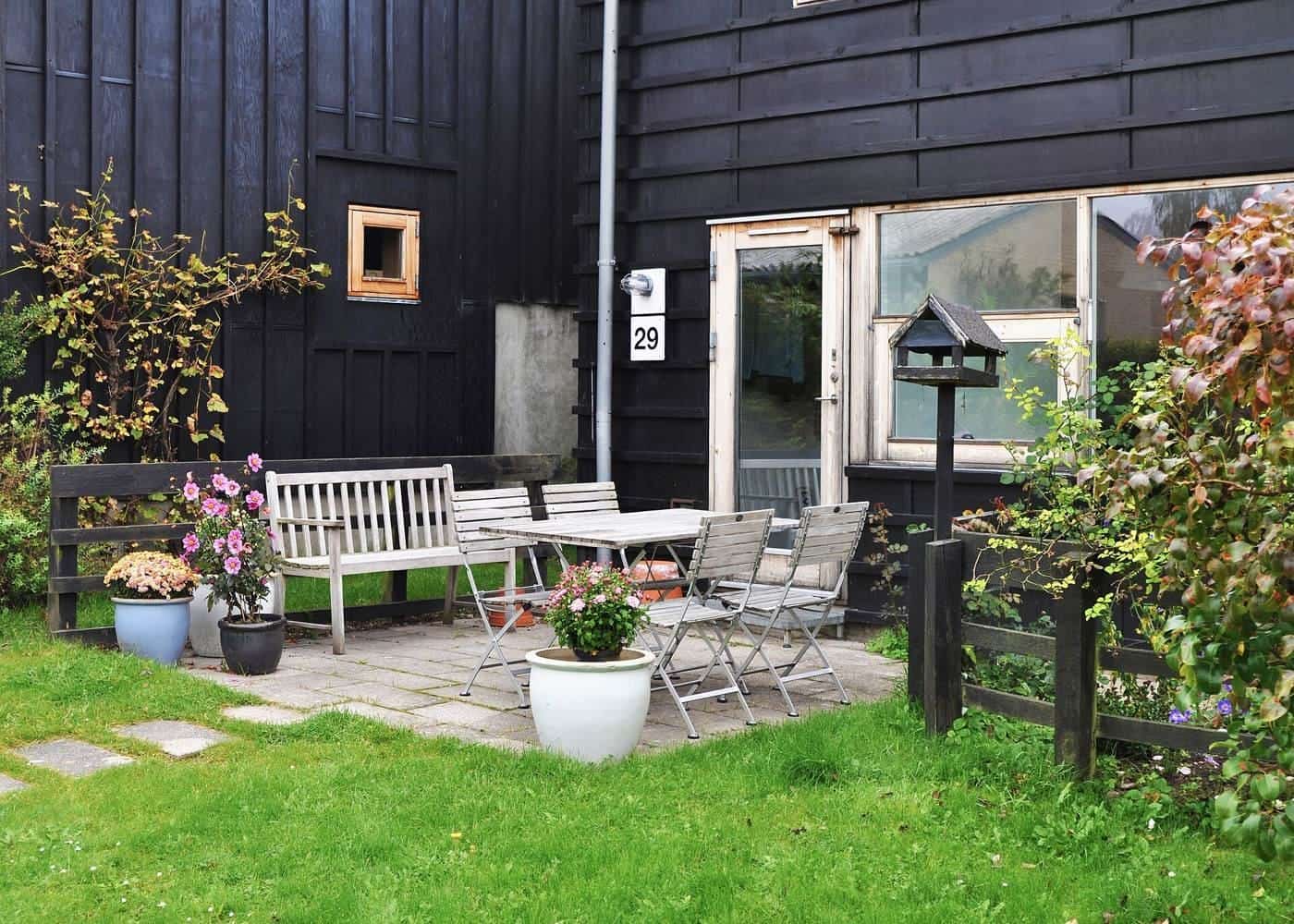
Cohousing explained: private homes, shared community
What cohousing is, how it works, the six defining features, how it differs from co-living, communes and strata, and who it suits in Australia.
Read · 5 min
What is cohousing
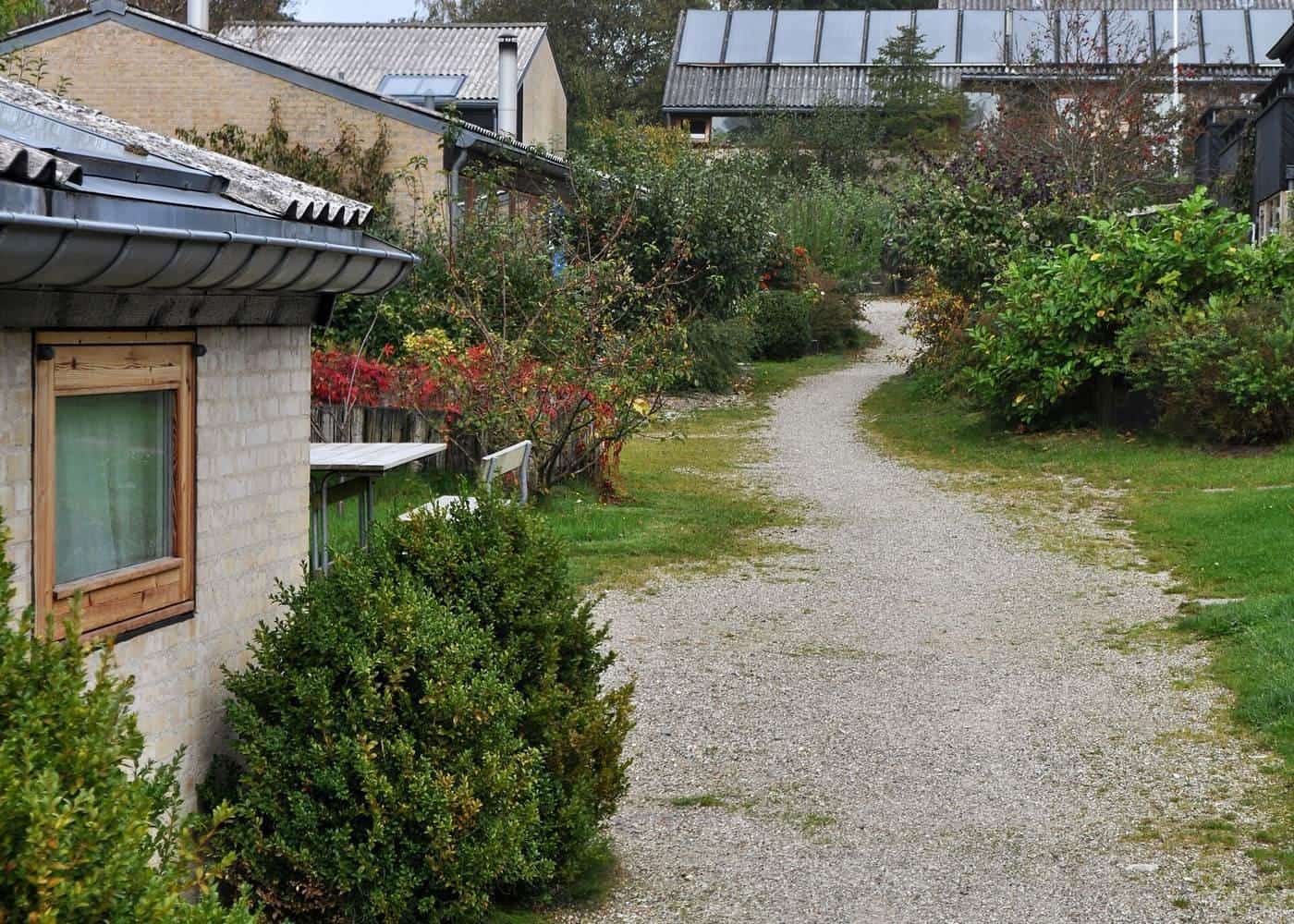
A short history of cohousing
How cohousing began in Denmark, spread to the Netherlands, Sweden and North America, gained its English name in 1988, and arrived in Australia and New Zealand.
Read · 5 min
What is cohousing
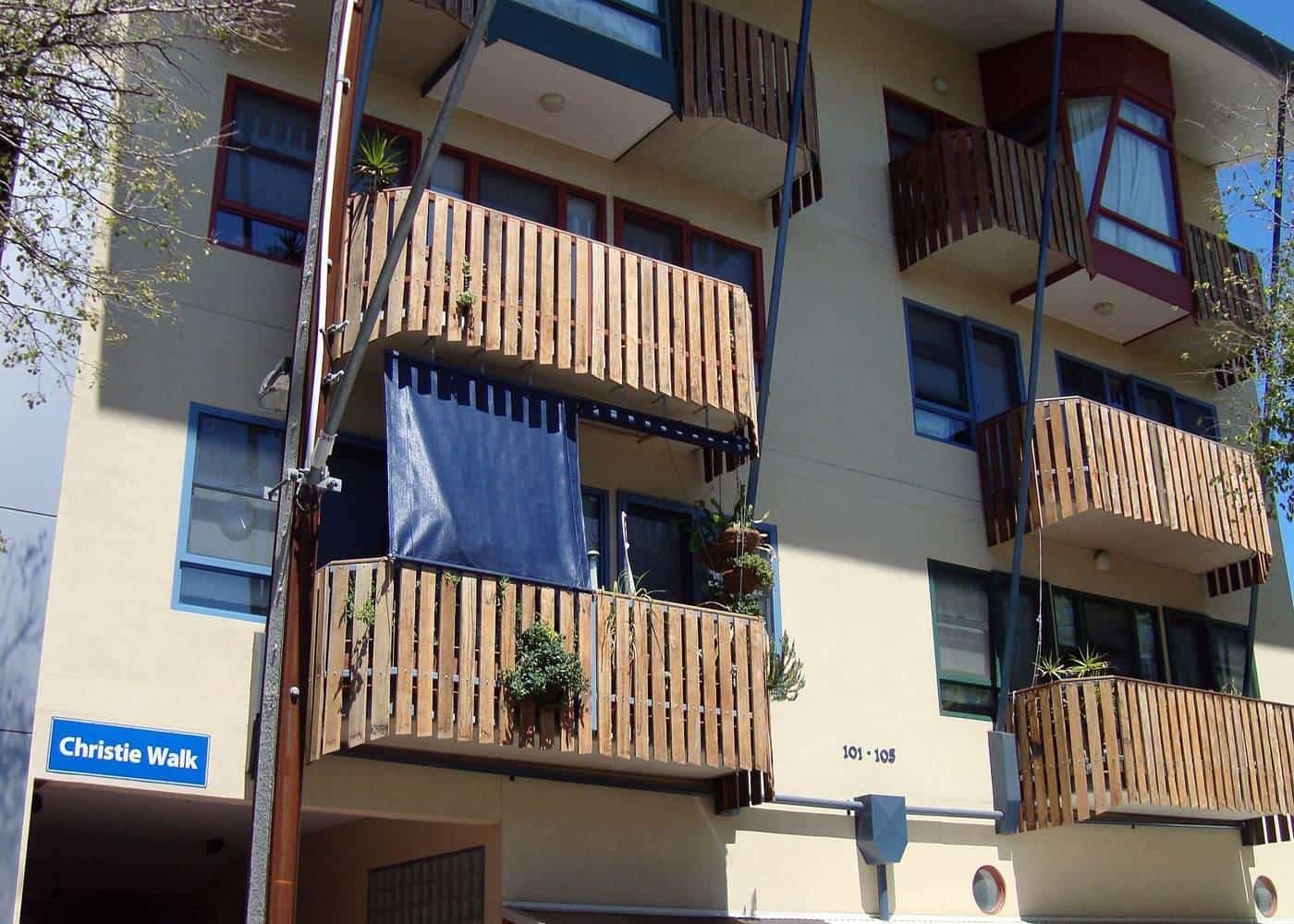
Cohousing in Australia
An overview of cohousing in Australia: early and well-known communities, the models in use, barriers such as planning and finance, and how to find a group.
Read · 5 min
What is cohousing
Seniors cohousing and ageing in community
How seniors cohousing works, how it compares with retirement villages, examples from Denmark and the UK, care, and planning a group.
Read · 5 min
Frequently asked questions
What is cohousing?
A neighbourhood of private, self-contained homes with shared facilities, such as a common house and gardens, designed and managed by residents.
Where did cohousing come from?
Denmark, where the first communities were completed in the early 1970s.
Is there cohousing in Australia?
Yes. Established communities include Cascade Cohousing in Hobart, Christie Walk in Adelaide and Murundaka in Melbourne, with many groups forming.
Is cohousing a good option for older people?
It can be. Seniors cohousing offers private homes within a supportive, resident-run community, though it is not aged care.
Are you connected with any cohousing organisation?
No. We are an independent guide and link to organisations and communities for information only.
Sources and further reading
Facts on this page were checked against these primary and official sources. Conditions change — confirm before you travel or buy.
- Cohousing — Wikipedia
- Cohousing Australia — Cohousing Australia
- Cohousing Association of the United States — Cohousing Association of the United States
- Australian Housing and Urban Research Institute — AHURI