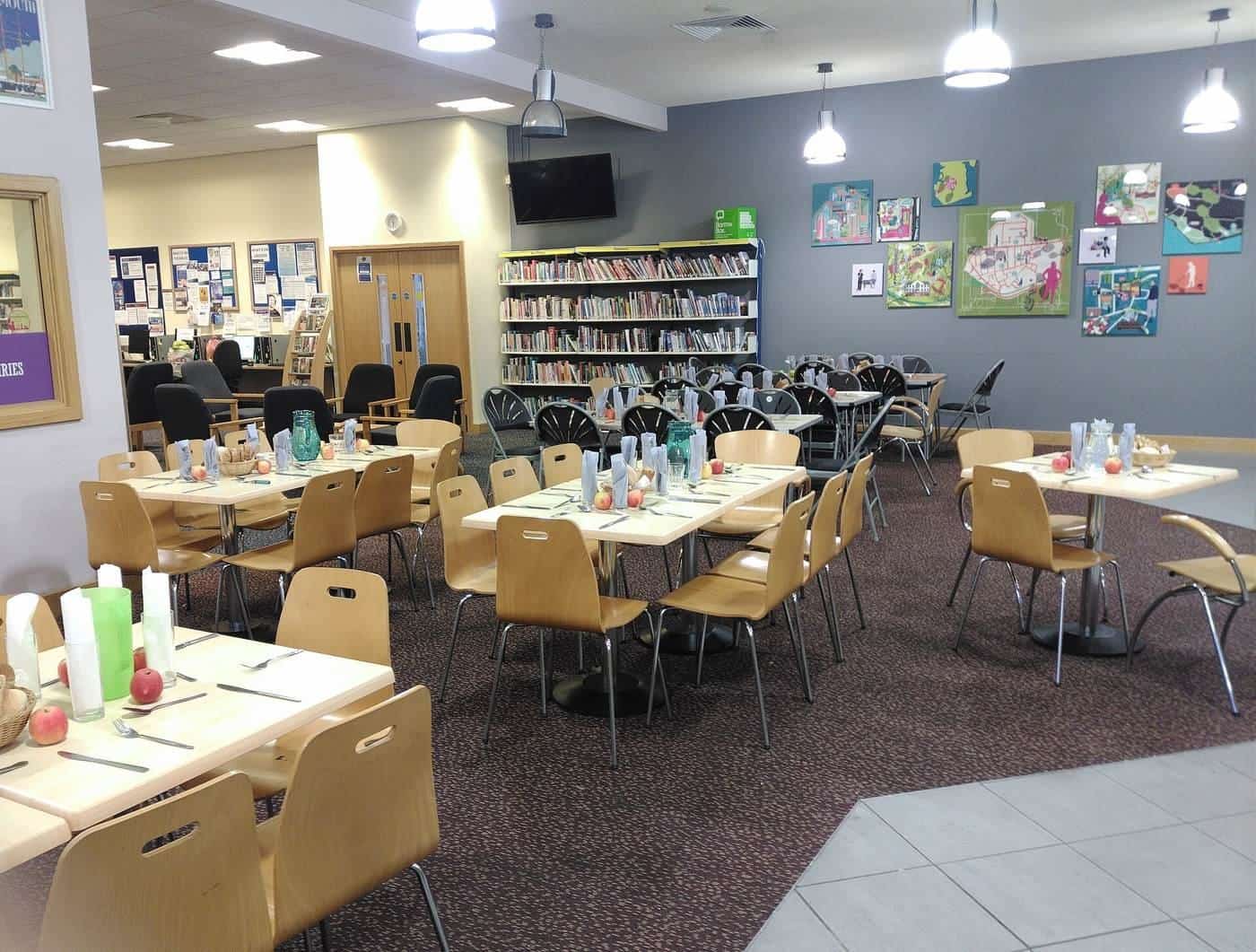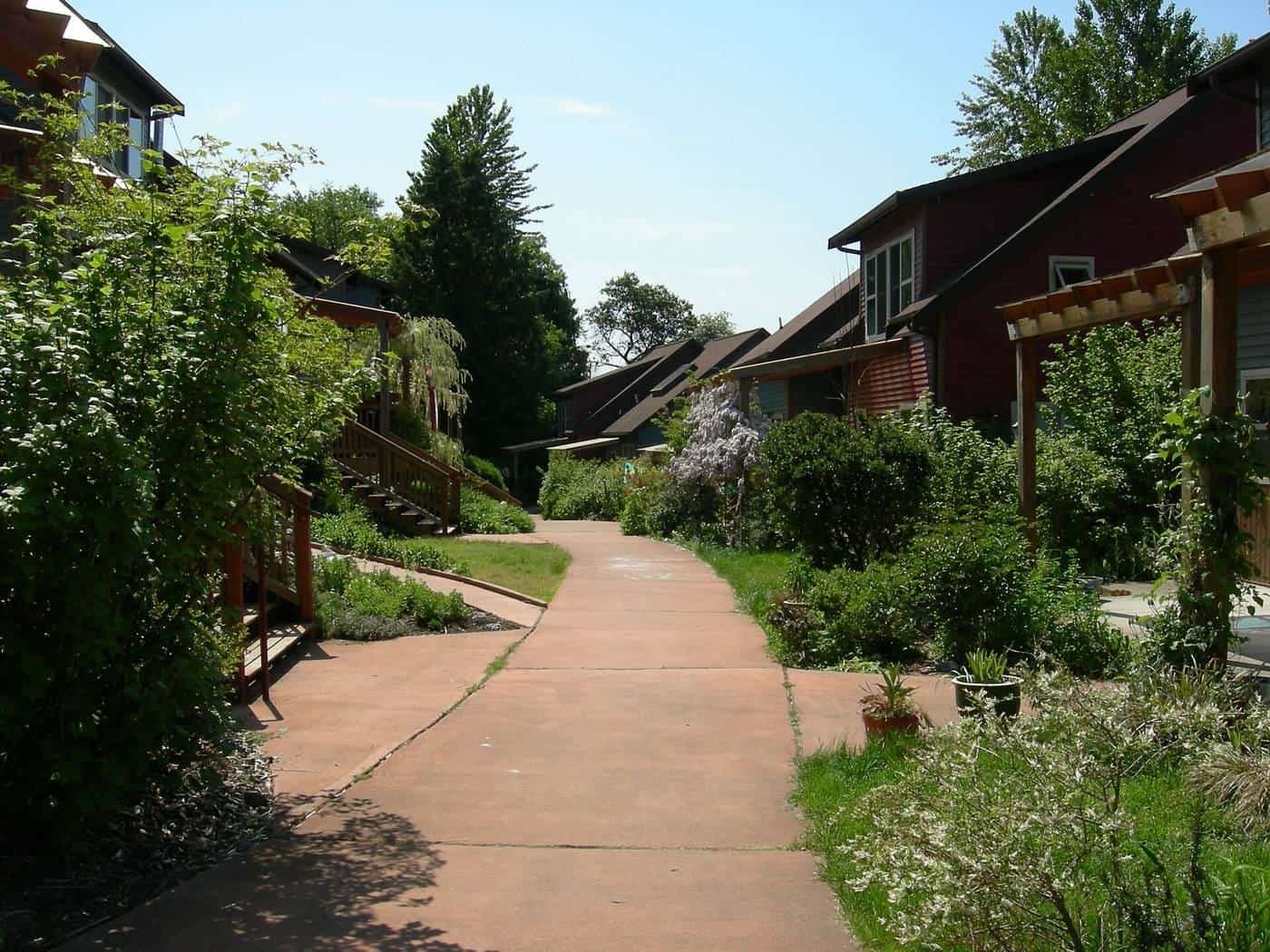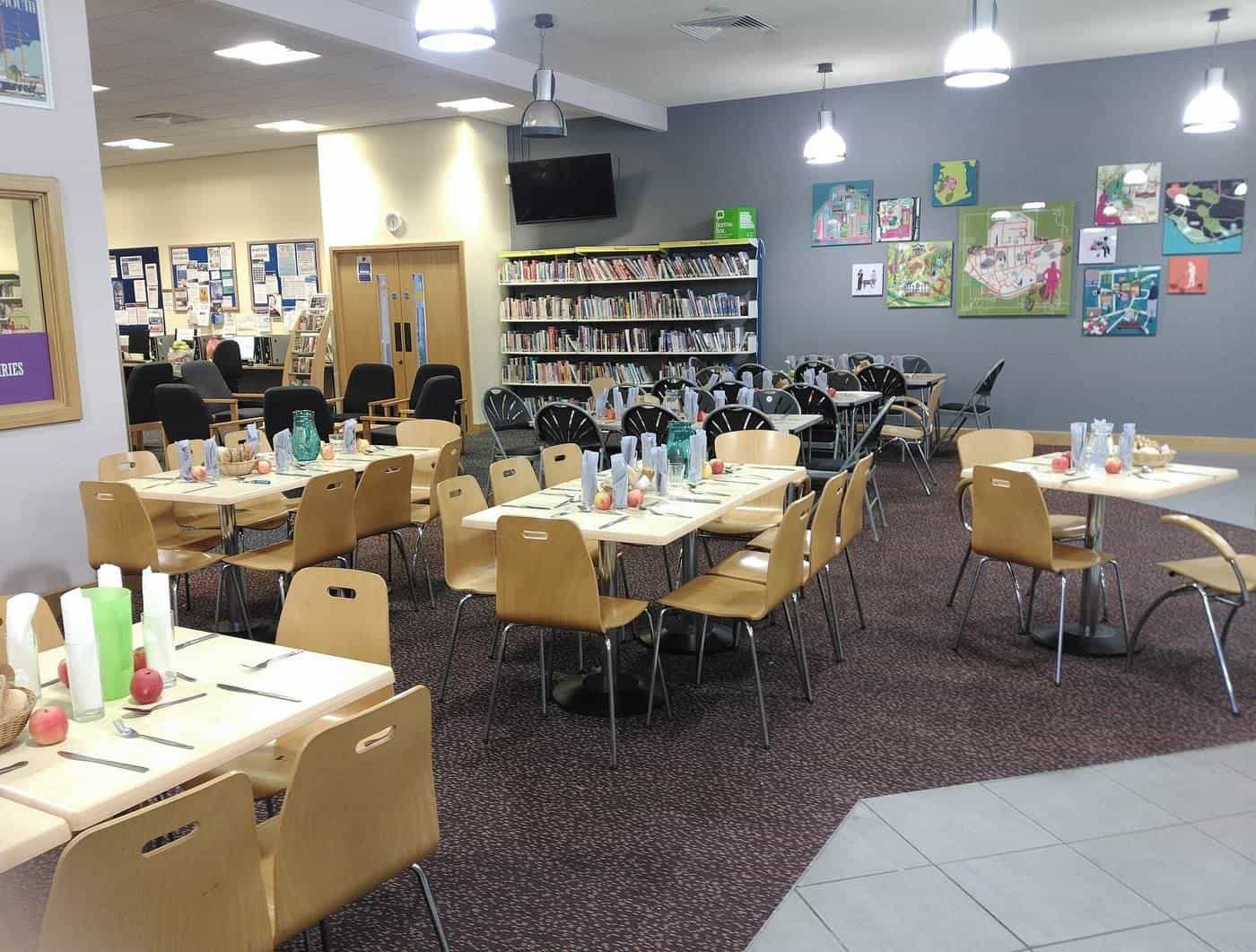
Ask cohousing residents what they value most, and many will mention shared meals. A few evenings a week, someone else cooks, children eat together, and neighbours catch up over dinner before heading home. Shared meals also bring practical benefits: less cooking, less food waste and a regular chance to share news and solve problems informally.
This guide explains how shared meals typically work, how to organise cooking teams, costs, dietary needs and food safety, and how to look after and make the most of the common house.
How shared meals work
In a typical arrangement:
- meals are held on set days, such as two or three evenings a week;
- a cooking team of two to four residents plans, shops, cooks and serves;
- another team or the diners clean up;
- residents sign up in advance, so cooks know numbers;
- diners pay a share of the cost.
Most communities make meals optional. People join when they can, and there's no pressure to attend every time.
2–3
Meals a week
A common pattern
Rotating
Cooking teams
Share the load
Optional
Attendance
Join when you can
Organising cooking teams
- Create a roster so each adult cooks regularly, for example once or twice a month.
- Use a sign-up system: a whiteboard, spreadsheet or app for meals and diners.
- Appoint a meals coordinator or working group to manage the roster, pantry and costs.
- Pair experienced and new cooks to share skills.
- Keep a recipe file of meals that work well for large groups.
Costs and money
Common approaches include:
- cost per meal: the cooks record costs, and diners share them;
- a meals fund: residents pay into a fund, and cooks are reimbursed;
- children's pricing: reduced or free meals for children.
Keep records simple and transparent, and review the system periodically.
Dietary needs and allergies
- Keep a register of dietary needs and allergies.
- Ask cooks to provide vegetarian or other options where needed.
- Label dishes with major allergens.
- Separate utensils and serving spoons to avoid cross-contact.
Food Standards Australia New Zealand has information on food allergies and food safety.
Food safety
Cooking for a crowd needs care:
- keep hot food hot and cold food cold;
- cool leftovers quickly and refrigerate them;
- wash hands and surfaces often;
- cook food thoroughly, especially meat, poultry and eggs;
- store food in labelled, dated containers.
Consider offering basic food safety training to cooks.
Getting the most from the common house
The common house is more than a dining room. Communities use it for:
- meetings and working group sessions;
- celebrations such as birthdays, festivals and new member welcomes;
- guest accommodation for visiting family and friends;
- children's play, especially in bad weather;
- classes, film nights and hobby groups;
- shared laundry, workshop or office space.
Looking after the space
- Cleaning rosters or a paid cleaner from shared funds.
- Booking systems for guest rooms and private functions.
- Guidelines for noise, use by children and guests, and leaving the space tidy.
- Maintenance budget and sinking fund.
Read more about shared costs in finance and costs.
Shared meals checklist
0 of 9 done
Ticks are saved in this browser only.
If your community is still forming, start practising now. Potluck dinners and shared meals at members' homes build the habits, recipes and relationships that will make meals in your future common house a success. Many groups say these early meals were where their community really began to take shape, long before the first home was built.
Common mistakes
- Making meals compulsory.
- Complicated cost systems nobody understands.
- Ignoring allergies and food safety.
A sample meal night
To give a sense of how it works, here is how a typical shared dinner might run in a mid-sized community:
- A week before, the cooking team for the night agrees a menu, checks the dietary register and posts the menu on the sign-up board.
- Two days before, sign-ups close so the team knows numbers. Late additions can join if there's food to spare.
- On the day, the team shops in the morning or uses the community pantry, then starts cooking in the common house kitchen in the late afternoon.
- At dinner time, a bell or message lets residents know food is ready. People serve themselves buffet style, and children often sit together.
- After dinner, the clean-up team washes up, wipes down and takes out the rubbish, while others linger to chat.
- The next day, the cooks record what they spent so costs can be shared.
The details differ, but the rhythm of planning, cooking, eating and cleaning together is common to many communities.
Kitchen equipment and layout
A common house kitchen works best when it's designed for cooking at scale. Useful features include:
- commercial-grade or large domestic ovens and cooktops;
- generous bench space so several people can work at once;
- a large fridge and freezer, plus a cool, dry pantry;
- a dishwasher that handles large loads quickly;
- serving benches that let diners help themselves;
- good ventilation and lighting.
Equipment can be bought over time from shared funds. Ask residents what they already have before buying new.
Beyond dinner
Shared food life doesn't have to mean dinners. Some communities run weekend breakfasts, morning teas after working bees, seasonal preserving days, bulk-buying groups or a shared vegetable box. Others hold potluck meals, which ask less of any one cook. Mix and match to suit your community.
Children and shared meals
Children often love shared meals, which give them a chance to eat with friends. Communities may set up a children's table, offer simpler options, and ask parents to take responsibility for their children's behaviour and clean-up. Older children can join cooking teams, building skills and confidence.
Where to find more information
Food Standards Australia New Zealand publishes consumer guides to food safety and allergies. Many cohousing communities share recipes and meal systems online, which can help new communities get started.
Shared meals also do quiet work for the community. Conversations over dinner surface small problems before they become big ones, help new members feel welcome and let neighbours check on each other. Many communities say their meal program is the single best investment they make in community life.
Whatever stage you're at, talking with people who have lived in or built cohousing is one of the most valuable things you can do. Their experience, good and bad, will help you make better decisions and set realistic expectations for the road ahead.
Above all, keep meals enjoyable. Good food, a relaxed atmosphere and fair sharing of the work keep people coming back week after week.
Key points
Shared meals are often the heartbeat of cohousing. Rotate cooking teams, use a simple sign-up and cost system, manage dietary needs and food safety, and keep meals optional. Use the common house for meetings, celebrations, guests and play, with clear rosters, booking systems and a maintenance budget.
Frequently asked questions
How often do cohousing communities eat together?
It varies. Many communities share meals a few times a week, some once a week, and some more often. Meals are usually optional.
Who cooks?
Usually rotating teams of residents, so each person cooks occasionally and eats many meals cooked by others.
How are meal costs covered?
Commonly, diners pay per meal or the cost is shared among those who eat, with a meals coordinator tracking costs.
What about dietary requirements?
Communities typically ask diners to record dietary needs and allergies, and cooks provide options or label ingredients.
Who cleans the common house?
Residents usually share cleaning through rosters or working groups, and some communities pay a cleaner from shared funds.
Sources and further reading
Facts on this page were checked against these primary and official sources. Conditions change — confirm before you travel or buy.
- Food safety — Food Standards Australia New Zealand
- Allergen information — Food Standards Australia New Zealand
- Cohousing — Wikipedia
- Your Home — Australian Government