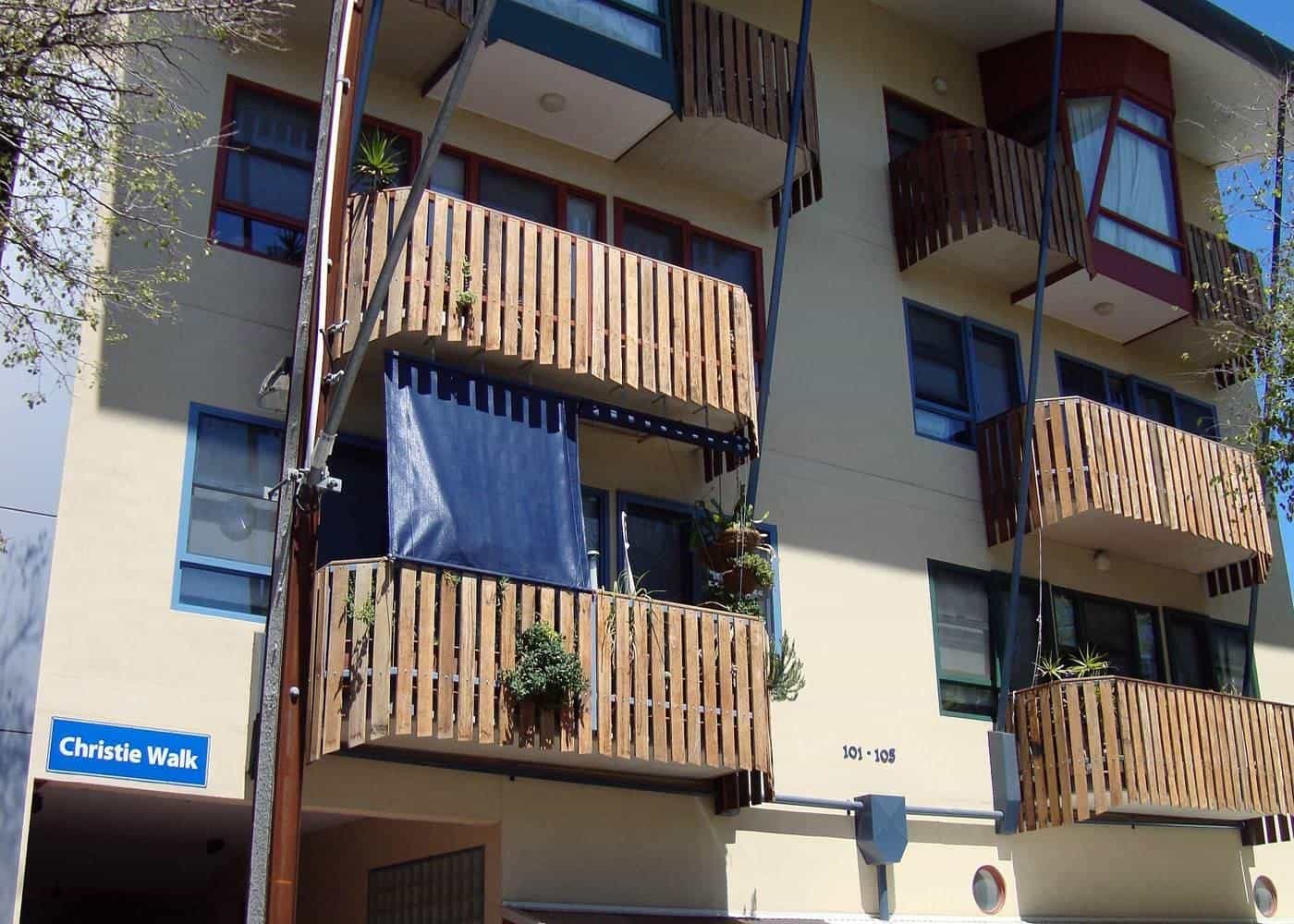
Creating a new cohousing community is a big undertaking. A group of households has to agree on a vision, find land, choose a legal structure, raise finance, design homes and shared spaces, obtain approvals and manage construction, all while building the relationships that will sustain the community. It can take years, and it involves real financial risk.
It's also deeply rewarding. Groups that complete the journey often say the process built their community long before they moved in. This section explains each stage so you can plan realistically.
Guides in this section
- Forming a group Testing the idea, finding members, vision and values, decision-making, early legal entities, working groups, feasibility and professionals.
- Legal structures Strata and community title, company title, co-operatives, tenants in common, development entities, community land trusts and rental partnerships.
- Finance and costs Stages of cost, member contributions, development finance, home loans, risk, ongoing shared costs and affordability.
- Design and planning Pedestrian layouts, the common house, private homes, landscape, participatory design and planning approval.
Years
Typical timeline
First meeting to move-in
4
Big decisions
Group, structure, money, design
Advice
Essential
Legal, financial, planning
The journey at a glance
| Stage | Key tasks |
|---|---|
| Forming | Core group, vision, decision-making, early entity |
| Feasibility | Budget, site criteria, professional advice |
| Land | Site search, due diligence, purchase or option |
| Design | Participatory design, brief, concept, detailed design |
| Approval | Town planning, development application |
| Finance | Member funds, development finance, lenders |
| Construction | Contracts, project management, contingencies |
| Move-in | Settlement, community agreements, shared life |
Ways to reduce risk
- Engage experienced professionals early, including a project manager.
- Test feasibility before buying land.
- Protect members' money with clear agreements and a proper legal entity.
- Talk to lenders and council early.
- Include contingencies for cost and time.
- Consider partners who bring expertise or capital.
Alternatives to building new
If building from scratch feels too risky or slow, consider:
- joining an existing community when a home comes up;
- retrofit cohousing with neighbours in existing homes;
- small-scale projects, such as a few homes on a large block;
- partnering with a community housing provider or developer.
See ecovillages and other shared living.
These guides are a starting point. Use them to prepare questions for professionals and to plan your group's next steps with confidence and realistic expectations.
Common mistakes
- Buying land before testing feasibility.
- Handling members' money informally.
- Underestimating timeframes and costs.
- Neglecting relationships while focusing on the project.
Who you'll need on your team
Most successful projects draw on a mix of skills inside and outside the group:
- inside the group: people with skills in finance, communication, facilitation, project coordination and community building;
- professionals: an architect experienced in participatory design, a property lawyer, an accountant or tax adviser, a town planner and a project or development manager;
- partners: in some cases, a developer, community housing provider, not-for-profit or landowner.
Bringing in professionals early costs money, but it can prevent much bigger losses later.
Questions to ask before buying land
Before committing to a site, ask:
- Does the zoning allow the number and type of homes you want?
- Are there bushfire, flood, heritage or environmental overlays?
- Are water, sewer, power and access adequate?
- Is the site large enough for homes, a common house, gardens and parking?
- Is it close to transport, shops, schools and services your members need?
- Can your group afford it, including holding costs while you design and seek approval?
A due diligence report from a town planner and other specialists can answer many of these questions.
Keeping the group together
Long projects test groups. Members move away, get frustrated with delays or disagree about design and money. Plan for this by keeping a waiting list of interested households, holding regular social events as well as meetings, and agreeing in advance how members can leave and how their contributions are handled.
Where to find more information
Cohousing networks run information evenings, workshops and online groups for people starting communities. business.gov.au and state fair trading agencies explain associations, companies and co-operatives. The Australian Government's Your Home guide covers sustainable design, and state planning portals explain approval processes. Housing researchers have published studies on community-led housing in Australia that discuss barriers and possible solutions.
A realistic mindset
Many groups that complete a cohousing project describe the journey as harder and longer than they expected, but worth it. Go in with clear eyes: budget for professional advice, expect setbacks, and celebrate progress.
Remember that every successful community began with a small group of people who decided to try. With clear goals, good advice and patience, your group can join them.
Whatever stage you're at, talking with people who have lived in or built cohousing is one of the most valuable things you can do. Their experience, good and bad, will help you make better decisions and set realistic expectations for the road ahead.
Key points
Starting a cohousing community involves forming a committed group, choosing a legal structure, financing the project, designing for community and obtaining approvals. Engage professionals, test feasibility, protect members' money, plan for risk and look after your group along the way.
Guides in this section
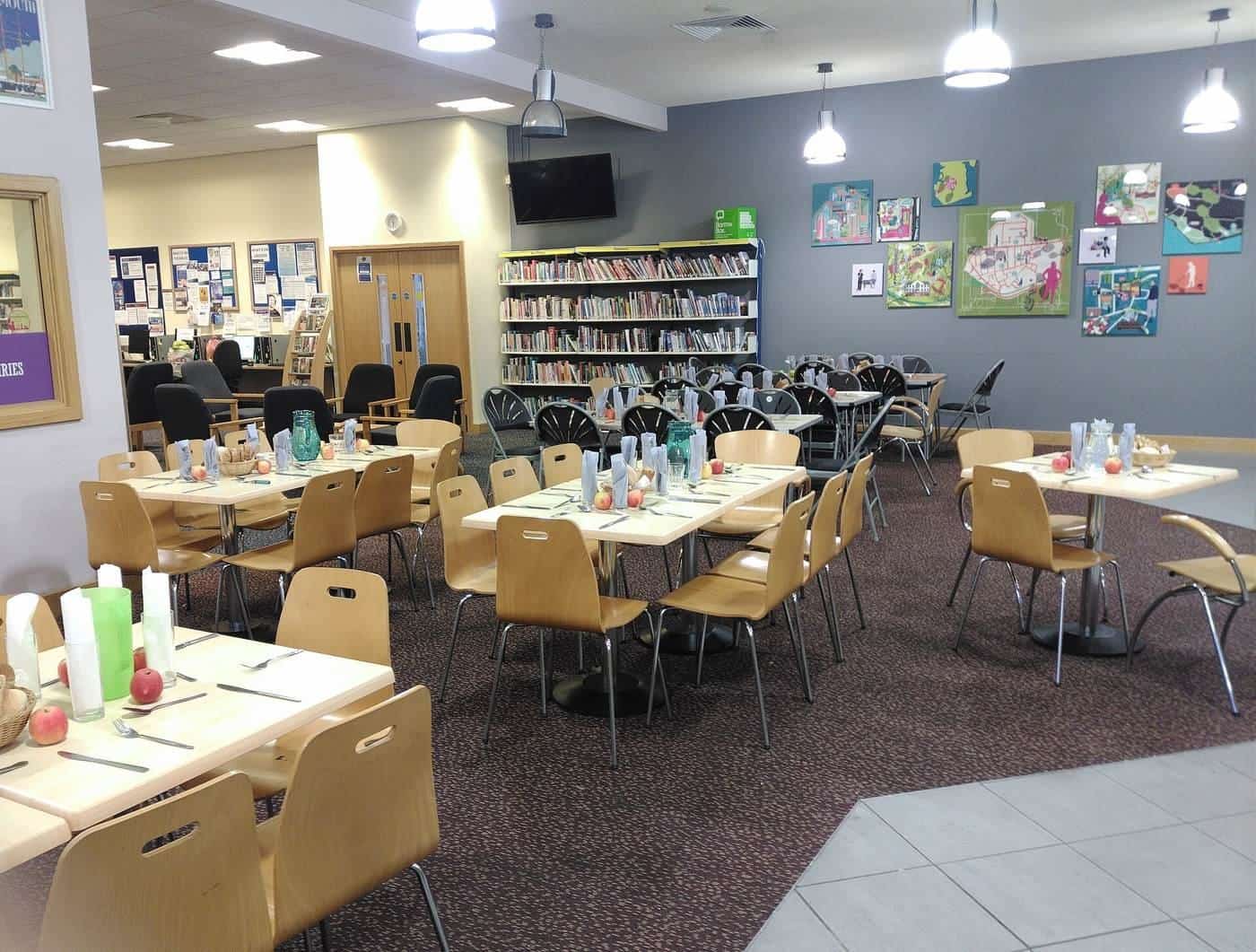
Starting a community
Forming a cohousing group
How to start a cohousing group in Australia: finding members, vision and values, early agreements, roles, budgets, professionals and momentum.
Read · 5 min
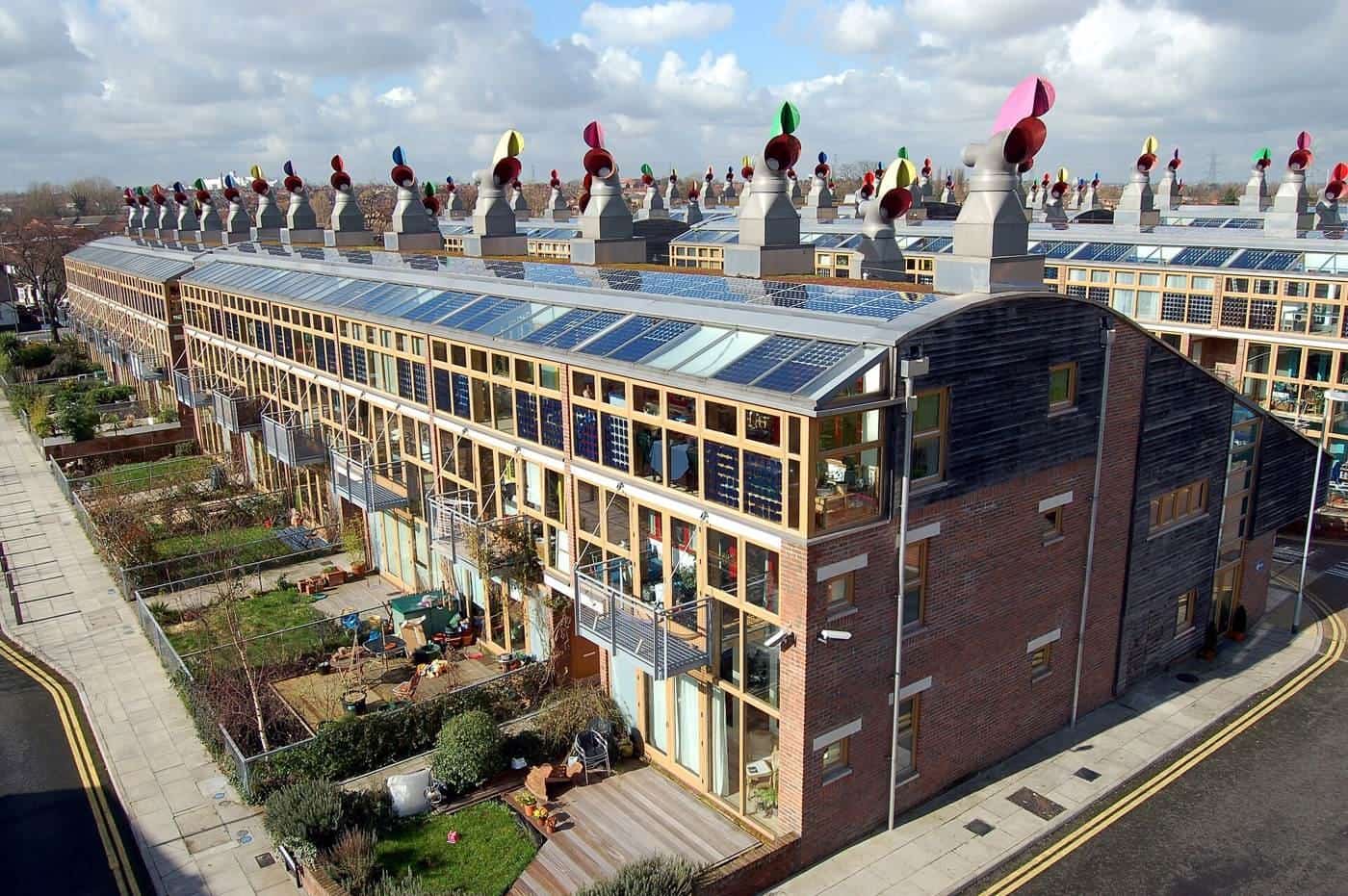
Starting a community
Legal structures for cohousing in Australia
The main legal structures used for cohousing in Australia: strata and community title, company title, co-operatives, tenants in common and land trusts.
Read · 5 min
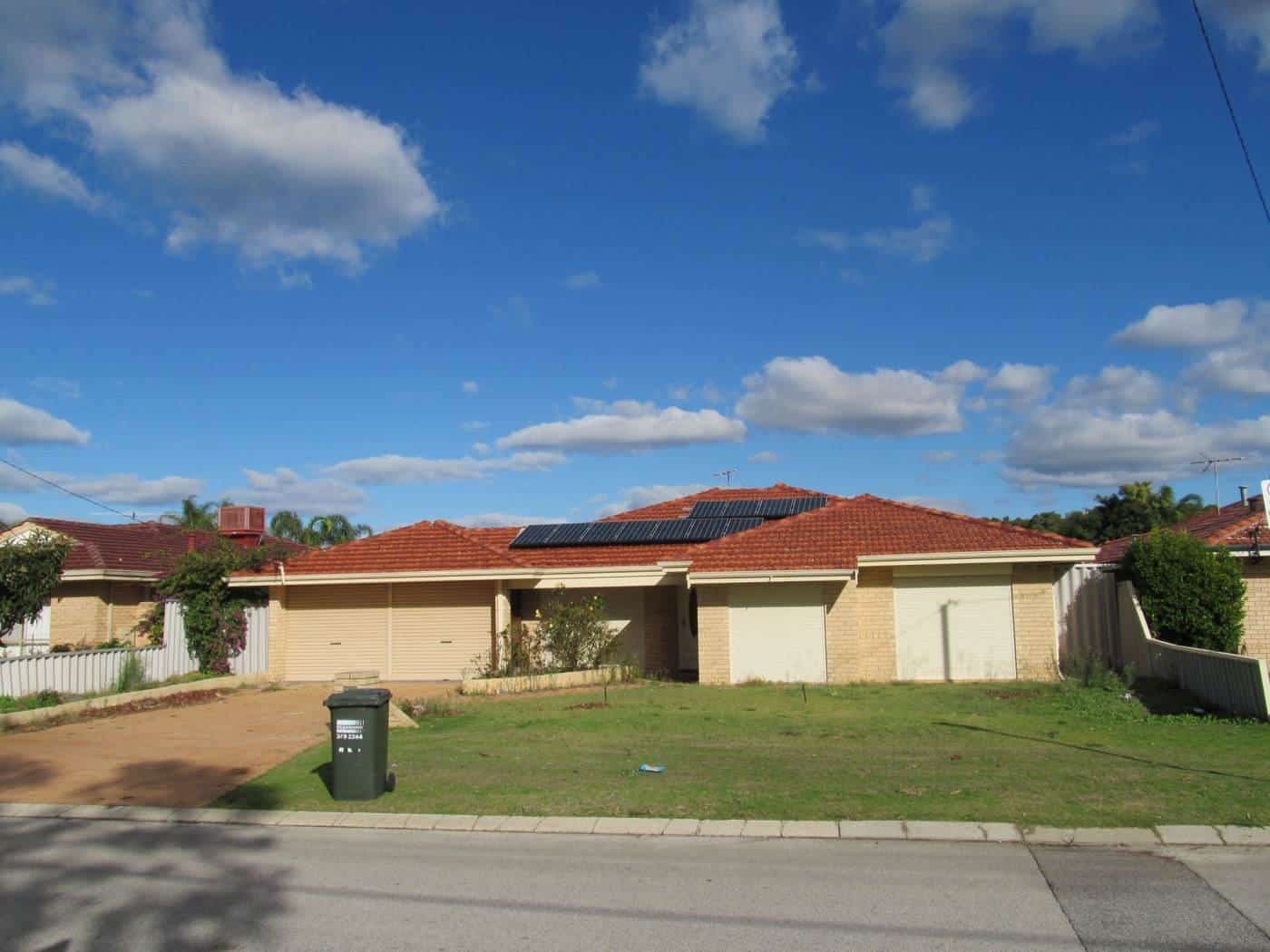
Starting a community
Paying for cohousing: finance and costs
How cohousing is paid for in Australia: stages of cost, member contributions, home loans, development finance, risk and shared running costs.
Read · 5 min
Starting a community
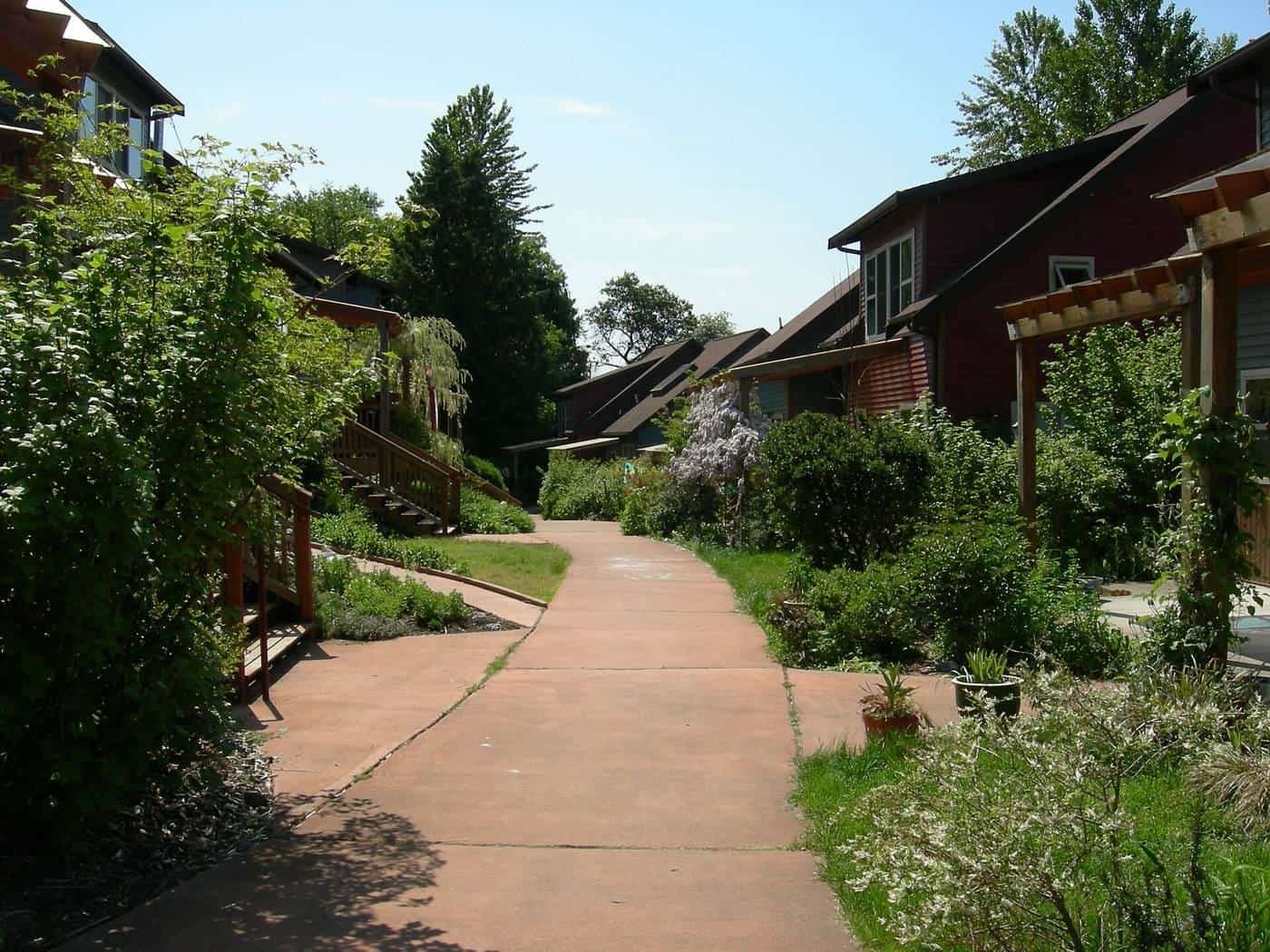
Designing a cohousing community
Key principles of cohousing design: layout, the common house, homes, parking, gardens, sustainability, participatory design and approvals.
Read · 5 min
Frequently asked questions
How long does it take to create a cohousing community?
Often several years, depending on finding land, approvals, finance and construction.
What is the hardest part?
Many groups say finding and securing suitable land, followed by finance and approvals.
Do we need a developer?
Not necessarily, but groups need development expertise. Some partner with a developer, community housing provider or not-for-profit; others hire a project manager.
Which legal structure should we use?
It depends on your goals. Strata, company title, co-operatives and other options each have trade-offs. Get legal advice.
Is there funding for cohousing?
There is no dedicated national program, but groups sometimes access ethical lenders, partnerships or grants. Availability changes over time.
Sources and further reading
Facts on this page were checked against these primary and official sources. Conditions change — confirm before you travel or buy.
- Cohousing Australia — Cohousing Australia
- Business structures — business.gov.au
- Your Home — Australian Government
- Home loans — Moneysmart (ASIC)