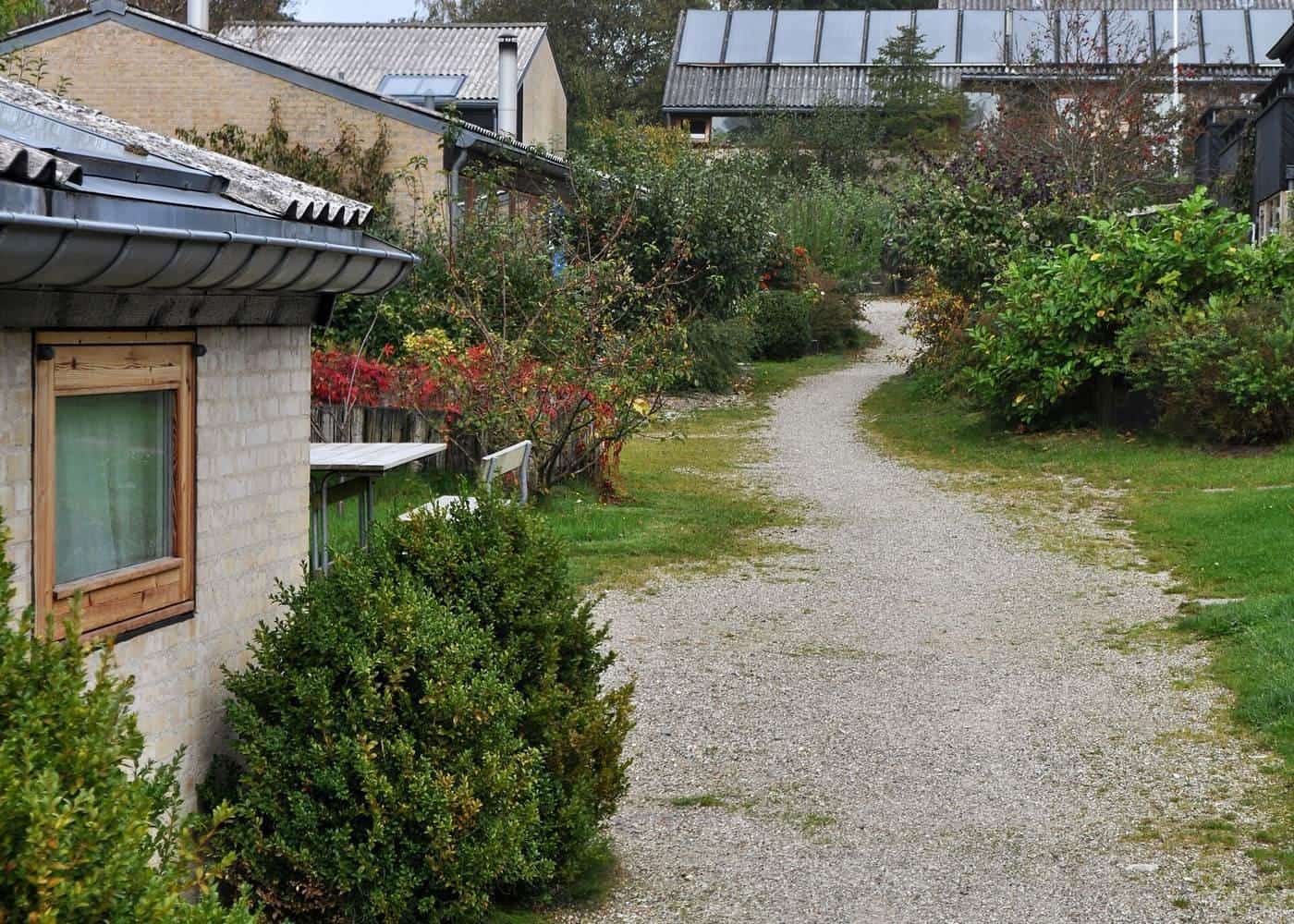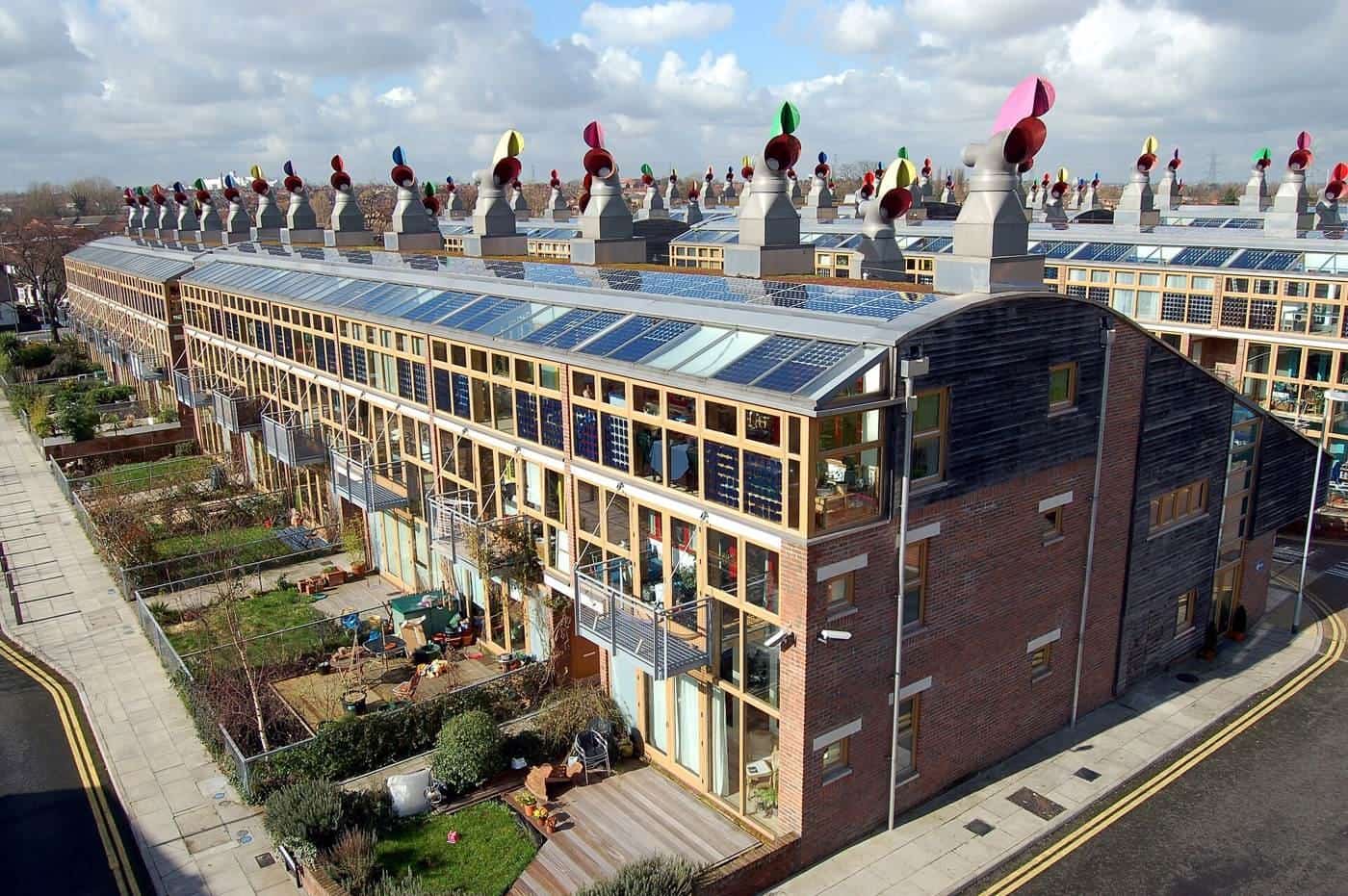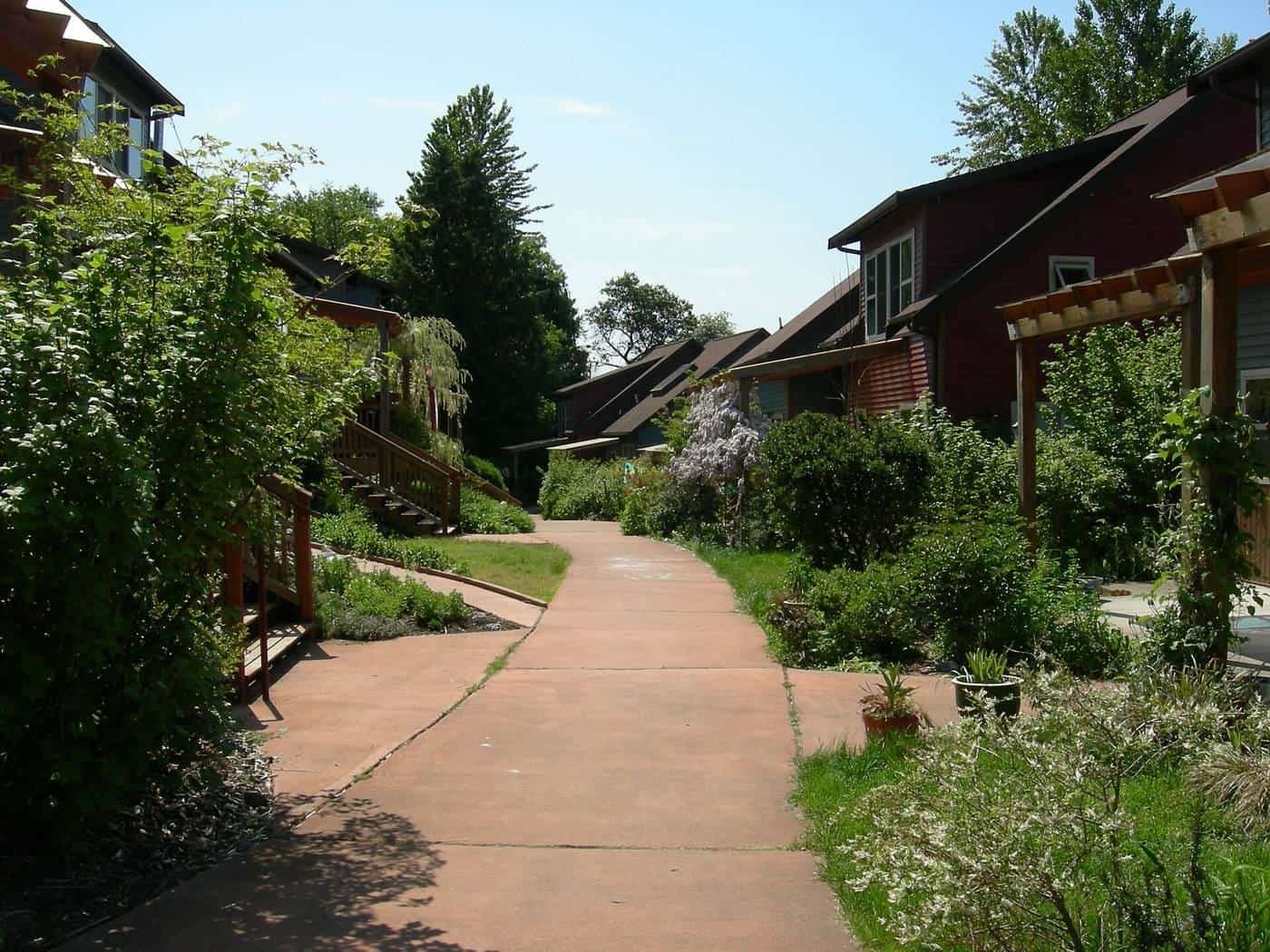
Compared with Denmark, the Netherlands or parts of North America, Australia has relatively few cohousing communities. But interest has grown strongly, driven by housing costs, loneliness, an ageing population and sustainability concerns. Alongside a handful of established communities, many groups are forming around the country, and governments, councils and researchers are paying more attention to community-led housing.
This guide gives an overview of cohousing in Australia: examples often cited, the models used, the barriers groups face and how to find or join a community. Descriptions of communities are brief and based on public sources. We're not connected with any community mentioned, and you should contact communities directly for current information.
Examples often cited
These communities are frequently mentioned in Australian discussions of cohousing. They differ widely in size, structure and focus.
Cascade Cohousing, Hobart
Often described as one of Australia's earliest cohousing communities, Cascade Cohousing in South Hobart has private homes and shared facilities on a hillside site near the bush.
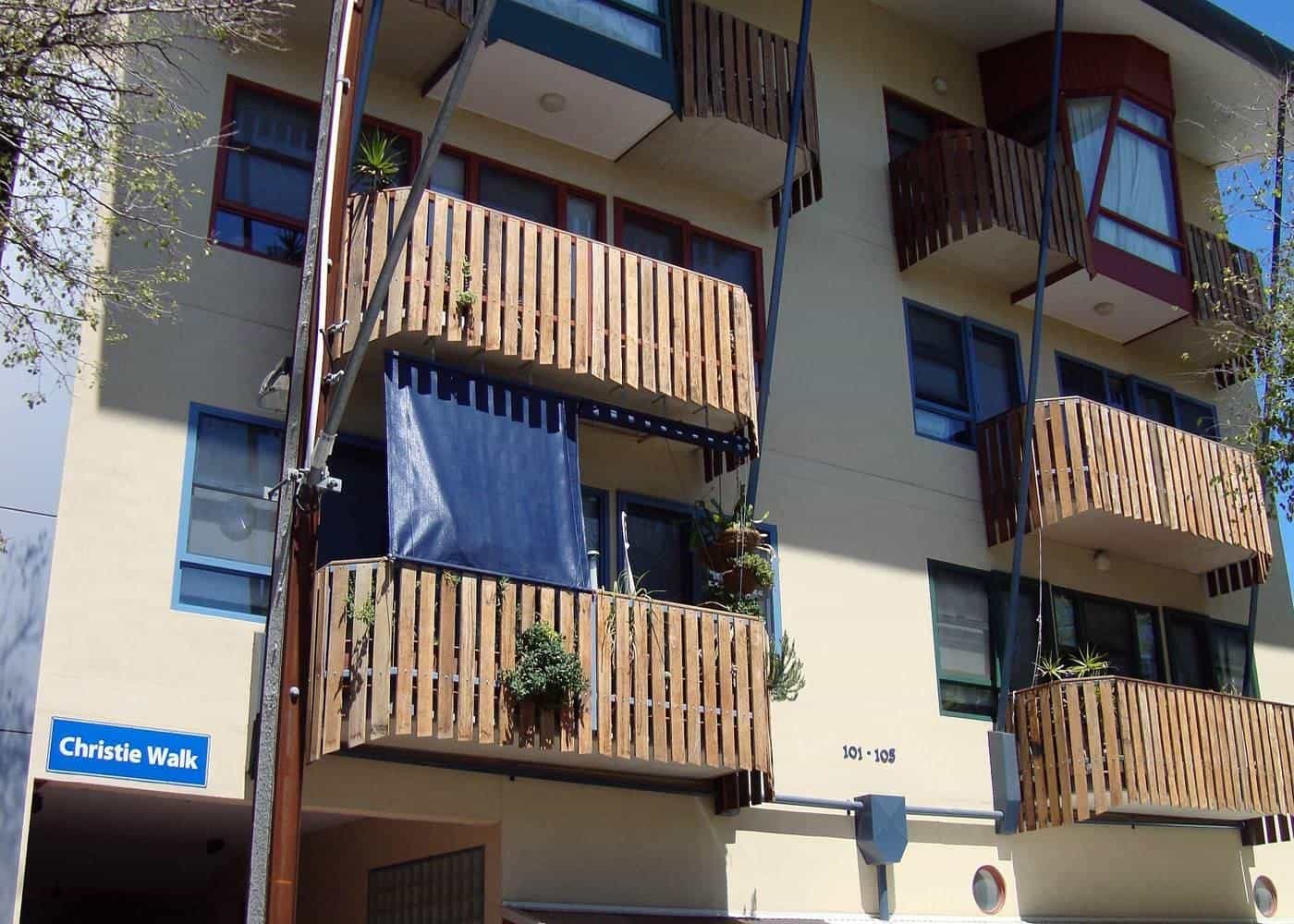
Christie Walk, Adelaide
Christie Walk is an urban ecological housing project in the Adelaide city centre, initiated by the not-for-profit Urban Ecology Australia and developed in stages from the late 1990s. It combines apartments and townhouses with shared gardens, a community room and environmental features.
Murundaka Cohousing Community, Melbourne
Murundaka, in Heidelberg Heights, is a cohousing community developed in partnership with a rental housing co-operative. It shows how cohousing can include affordable rental homes.
Pinakarri Community, Western Australia
Pinakarri, south of Fremantle, is an intentional community with cohousing features, including shared spaces and decision-making.
Ecovillages
Larger ecovillage projects, such as Narara Ecovillage on the NSW Central Coast, share many cohousing features while also focusing on land, food and sustainability. See ecovillages and other shared living.
1990s
Early examples
Cohousing in Australia
Strata, co-op, company
Common structures
Plus others
Growing
Forming groups
Around the country
Models in use
Australian cohousing uses a range of approaches:
- Owner-occupied strata or community title, where each household owns its home and shares common property.
- Company title, where residents own shares in a company that owns the property.
- Co-operatives, including rental housing co-operatives, under state co-operatives law.
- Partnerships with community housing providers, to include affordable rental homes.
- Retrofit cohousing, where neighbours share facilities across existing houses, sometimes removing fences and building a shared space.
- Small-scale cohousing on a single large block, such as dual occupancy or a small group of homes.
Each has advantages and limits. See legal structures.

Barriers groups face
Groups commonly report these hurdles:
Land
Finding a suitable, affordable site in the right location is often the hardest step. Groups compete with developers who can move quickly.
Planning rules
Planning schemes are designed for conventional housing. Shared common houses, clustered homes and reduced parking may need special approval, and some zones limit the number of dwellings.
Finance
Lenders may be unfamiliar with cohousing structures, especially company title and co-operatives, and may lend less or charge more. Group members may need to commit deposits years before moving in.
Development risk and expertise
A group building its own community takes on developer risks such as cost overruns and delays. Professional project management, legal and financial advice are important.
Time and people
Projects can take many years. Members come and go, and groups need ways to keep momentum and resolve conflict.
What could help
Researchers and advocates have suggested measures such as:
- planning provisions that recognise cohousing and common houses;
- access to land through government or community land trusts;
- finance products suited to group housing;
- support for "enabling" organisations that help groups through development;
- partnerships with community housing providers.
Finding or joining a community
- Visit established communities at open days or shared meals.
- Join networks such as Cohousing Australia and local community-led housing groups.
- Attend events and workshops about cohousing.
- Consider forming groups looking for members.
- Ask about rentals in communities with rental homes.
Exploring Australian cohousing
0 of 6 done
Ticks are saved in this browser only.
Australian cohousing is still young, and each new community adds to the knowledge available to the next.
Common mistakes
- Assuming a project is cohousing because it's marketed that way.
- Committing money before land and approvals are secure.
- Underestimating timeframes.
What Australian groups have learned
People involved in Australian cohousing projects often share similar lessons:
- Land is the biggest hurdle. Groups that succeed often have members with property expertise or partners who can help secure a site.
- Professional help is worth it. Experienced architects, lawyers, planners and project managers reduce costly mistakes.
- Councils respond to clear explanations. Explaining how shared spaces will be used and managed helps with approvals.
- Finance needs early attention. Talking to lenders before choosing a structure avoids surprises.
- Community comes first. Groups that invest in relationships survive the long journey better.
Cohousing and affordable housing
Some Australian projects show how cohousing can include affordable rental homes, for example through partnerships with housing co-operatives or community housing providers. Researchers and advocates have suggested that community-led housing could play a larger role in affordable housing if planning, land and finance settings supported it.
Regional opportunities
While many people think of cohousing in cities, regional towns can offer cheaper land and strong local communities. Regional projects may face fewer competing buyers for land but have smaller pools of potential members and fewer specialist professionals nearby. Consider transport, health services and employment when choosing a regional location.
Staying informed
Cohousing networks, community-led housing organisations and researchers publish news, events and resources. Following them is a good way to hear about new groups, open days and changes to planning and finance settings.
Visiting a community
Most established communities are private homes, not tourist attractions, so contact them before visiting. Many hold open days, tours or shared meals for prospective members. Go with questions about how the community works, its legal structure, how homes are sold or rented, and what residents enjoy and find challenging. Be respectful of residents' privacy and time.
Many people find their way into cohousing gradually. They attend an information evening, visit a community, join a forming group's social events, and only later commit money. Taking time to understand the people, the vision and the project before signing anything is wise, and most groups welcome questions from prospective members.
Key points
Australia has a small number of established cohousing communities, including Cascade Cohousing, Christie Walk and Murundaka, plus many forming groups. Models include strata, company title, co-operatives and partnerships. Land, planning, finance and development risk are key barriers. Visit communities, join networks and get independent advice.
Frequently asked questions
How many cohousing communities are there in Australia?
There is no official count. There are a modest number of established communities and a larger number of forming groups. Cohousing Australia and similar networks keep informal lists.
Can I rent in cohousing in Australia?
Sometimes. Some communities include rental homes, and some work with housing co-operatives or community housing providers.
Is cohousing legal in Australia?
Yes. Cohousing uses ordinary legal and planning frameworks, such as strata or community title, company title or co-operatives, though some rules can make it harder.
Why is cohousing rare in Australia?
Common barriers include finding suitable land, planning rules, finance, development risk and the time and expertise needed to bring a group project to completion.
How do I find a cohousing group?
Look at cohousing networks, community-led housing organisations, social media groups and events, and contact established communities.
Sources and further reading
Facts on this page were checked against these primary and official sources. Conditions change — confirm before you travel or buy.
- Cohousing Australia — Cohousing Australia
- Christie Walk — Wikipedia
- Cohousing — Wikipedia
- Australian Housing and Urban Research Institute — AHURI
- Co-operatives — NSW Fair Trading