Cohousing feels modern, with its focus on sustainability and connection, but it has roots going back more than half a century. It began as a practical response by Danish families who wanted more support and companionship than suburban houses offered, without giving up their privacy. From there it spread across Europe, to North America and eventually to Australia and New Zealand.
This guide traces that story and explains how each wave shaped cohousing as we know it today.
Denmark: where it began
In the 1960s, some Danish architects and families began questioning the isolation of the single-family house. Two pieces of writing are often credited with sparking the movement:
- architect Jan Gudmand-Høyer's 1968 article about "the missing link between utopia and the dated single-family house";
- writer Bodil Graae's 1967 article arguing that "children should have one hundred parents".
Groups of families formed to build communities where private homes clustered around shared facilities. Among the earliest completed communities were Sættedammen and Skråplanet, both finished in the early 1970s. The Danish word for these communities is bofællesskab, roughly "living community".
1967–68
Founding articles
Graae and Gudmand-Høyer
Early 1970s
First communities
Sættedammen, Skråplanet
1988
English name
McCamant and Durrett
The 1970s and 1980s: refining the model
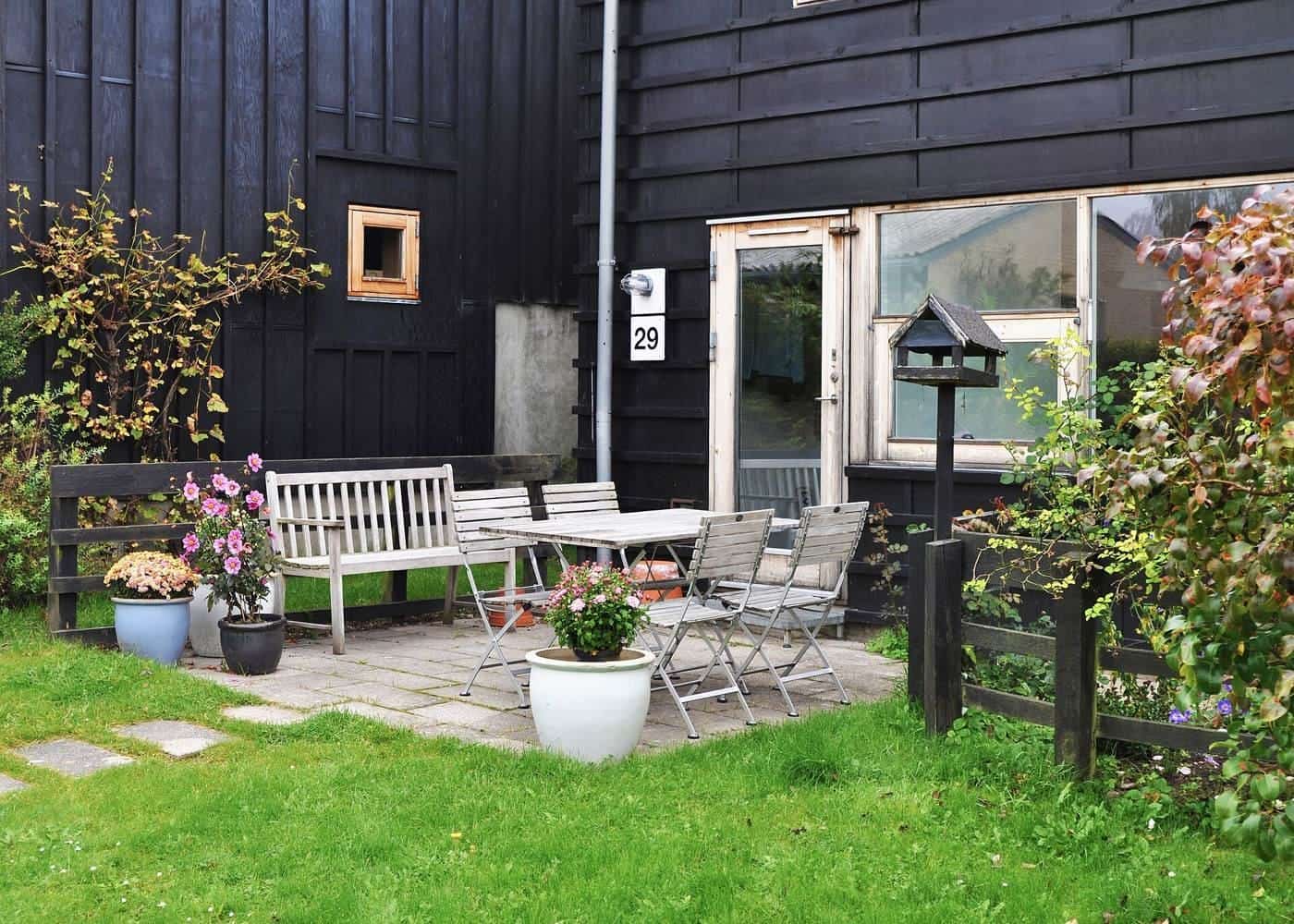
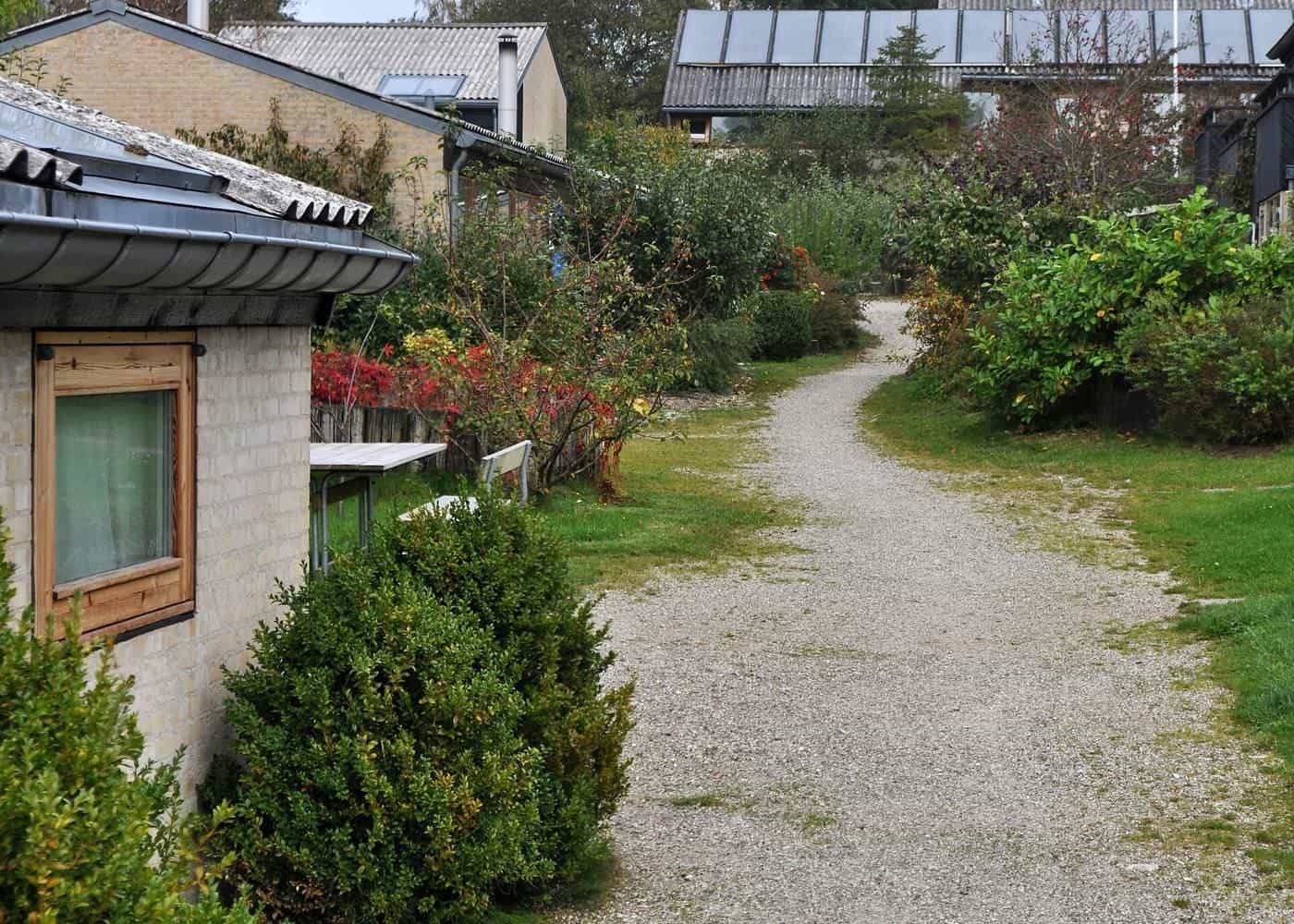
Through the 1970s and 1980s, Danish cohousing matured. Communities experimented with the size of homes, the role of the common house, shared dinners, and how decisions were made. Architecture firms such as Vandkunsten designed influential communities, including Trudeslund near Copenhagen, completed in the early 1980s, with its timber homes along a pedestrian street.
Some key lessons from this period:
- Common houses work best when they're central and used daily, especially for shared dinners.
- Cars at the edge of the site make paths safer and more social.
- Resident participation in design builds commitment and community before anyone moves in.
- Rental and co-operative models can widen access beyond home owners.
Cohousing also spread to the Netherlands, where centraal wonen communities developed, and to Sweden, where some communities focused on shared cooking in larger buildings.
1988: cohousing gets its English name
American architects Kathryn McCamant and Charles Durrett studied Danish communities and published Cohousing: A Contemporary Approach to Housing Ourselves in 1988. The book introduced the word "cohousing" to English and set out the defining characteristics still widely used today. See cohousing explained.
The first North American cohousing communities were completed in the early 1990s, and many more followed in the United States and Canada.
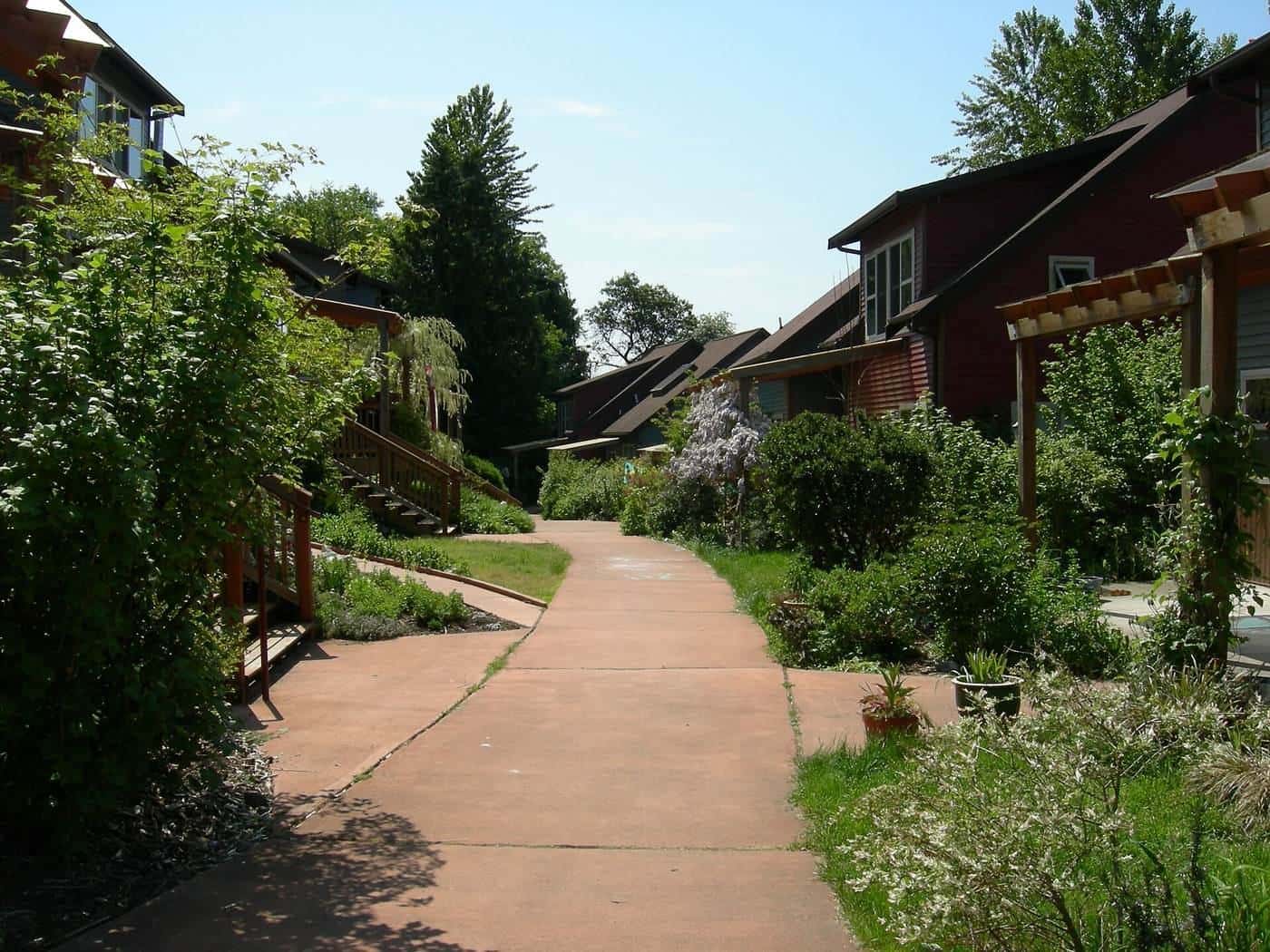
Senior cohousing
From the 1980s, Danish groups began creating cohousing communities specifically for older people, often called senior cohousing. The idea spread internationally. In the United Kingdom, the Older Women's Co-Housing group opened its New Ground community in north London in 2016 after many years of planning. Read more in our guide to seniors cohousing.
Australia and New Zealand
Cohousing ideas arrived in Australia by at least the early 1990s. Communities often cited in Australian discussions include:
- Cascade Cohousing in Hobart, Tasmania, one of the earliest Australian examples;
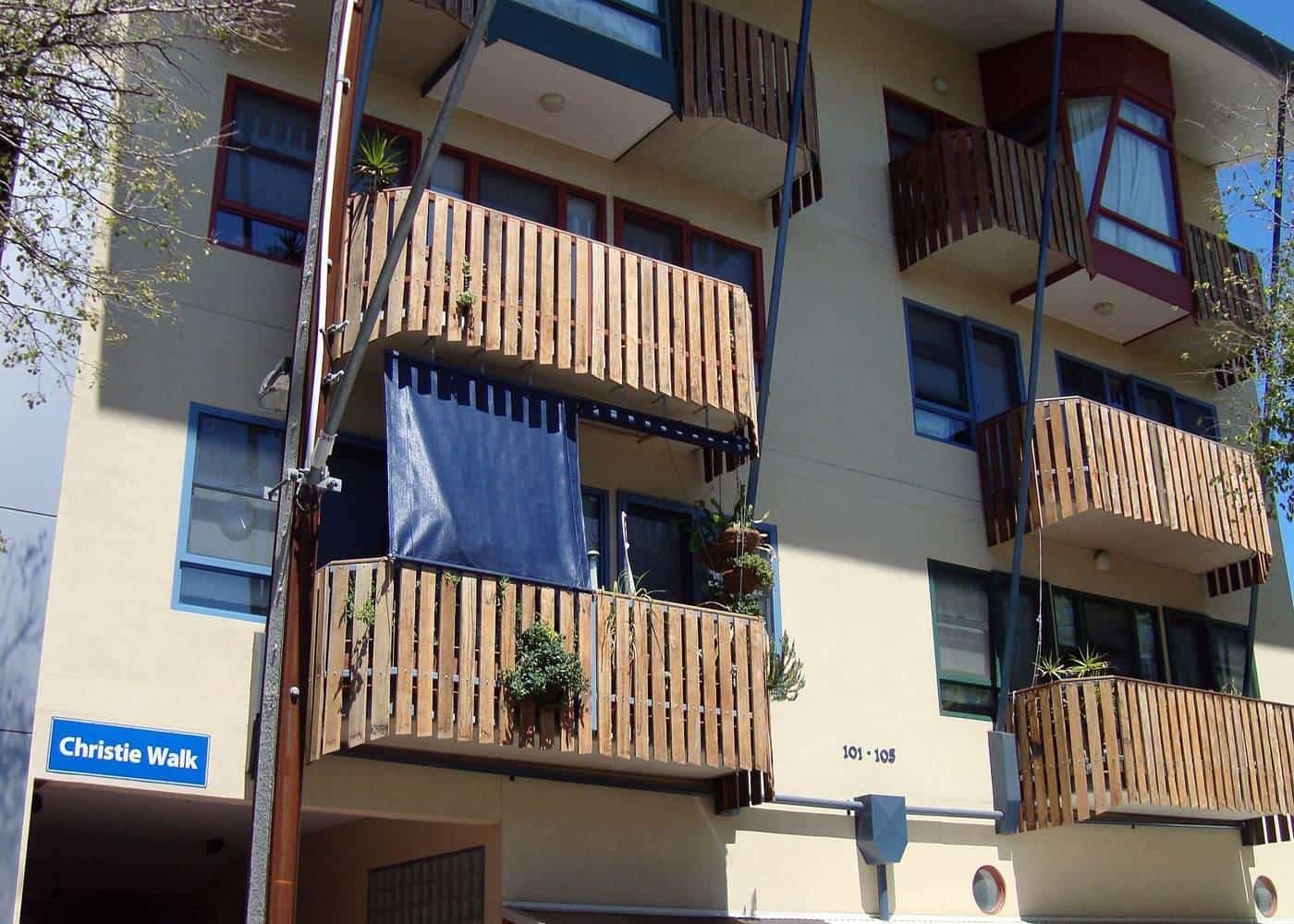
- Christie Walk in central Adelaide, an urban ecological housing project developed in stages from the late 1990s;
- Murundaka Cohousing Community in Melbourne's north, developed with a rental housing co-operative;
- Pinakarri Community in Western Australia.
New Zealand has its own examples, including Earthsong Eco-Neighbourhood in Auckland. Read more in cohousing in Australia.
Why interest is growing now
Interest in cohousing has grown in recent years, driven by:
- housing affordability, and interest in alternatives to standard development;
- loneliness and social isolation, recognised as health issues;
- ageing populations, and the desire to age in community;
- sustainability, through smaller homes, shared resources and better design;
- dissatisfaction with conventional apartments that offer little community.
Researchers, councils and housing organisations in Australia have looked at how planning and finance systems could better support cohousing and other community-led housing.
What history teaches new groups
- It takes time. Many communities took years from first meeting to move-in.
- Design shapes community. Layout and the common house matter.
- Participation builds commitment. Groups that plan together tend to live well together.
- Diverse models exist. Ownership, rental and co-operatives all work.
- Professional help pays off. Experienced architects, lawyers and facilitators help groups avoid costly mistakes.
Lessons for new groups
0 of 6 done
Ticks are saved in this browser only.
Understanding this history helps new groups see that challenges are normal, and that solutions have been found before. Many of the questions groups debate today, about meals, cars, decision-making and the size of homes, were first worked through by Danish pioneers decades ago.
Common myths about cohousing's history
- "It came from 1960s communes." It grew from family housing ideas, not communes.
- "It's an American idea." The English word is American, but the model is Danish.
- "It's new in Australia." Australian examples date back decades.
Cohousing in New Zealand
New Zealand has a small number of cohousing communities. Earthsong Eco-Neighbourhood in Auckland, completed in the early 2000s, is one of the best known, combining cohousing with ecological design. Its experience is often shared with Australian groups because of the similar planning and finance environment.
The common house through history
The common house has always been central to cohousing. Early Danish communities experimented with how big it should be and what it should include. Over time, many found that shared dinners were the most important use, and that a common house used daily for meals became the social heart of the community. Communities that built small or poorly located common houses often found them underused.
From pioneers to mainstream
In Denmark, cohousing moved from a pioneering idea to an accepted housing option, including in social and rental housing. In other countries it remains a niche, but one that continues to attract interest from governments, researchers and housing providers as a way to address isolation, affordability and sustainability.
Further reading
McCamant and Durrett's books remain widely read introductions. Cohousing networks in Australia, the United States and Europe publish resources, case studies and guides for forming groups, and many communities share their stories online.
Visiting historic communities
If you travel to Denmark, the Netherlands or North America, some long-established communities welcome visitors by arrangement. Seeing how communities built decades ago have aged, and talking to long-term residents, offers valuable insight for new groups.
Looking back, the most striking thing about cohousing's history is how a simple idea, sharing some of daily life with neighbours while keeping your own home, has been adapted to so many cultures, climates and housing systems, from Danish villages to Australian cities.
Whatever stage you're at, talking with people who have lived in or built cohousing is one of the most valuable things you can do. Their experience, good and bad, will help you make better decisions and set realistic expectations for the road ahead.
Key points
Cohousing began in Denmark in the late 1960s and early 1970s, gained its English name from McCamant and Durrett in 1988, and spread through Europe, North America, New Zealand and Australia. Its history shows the importance of participation, neighbourly design, a central common house and patience.
Frequently asked questions
Where did cohousing start?
In Denmark. Early communities such as Sættedammen and Skråplanet were completed in the early 1970s.
Who coined the word cohousing?
Architects Kathryn McCamant and Charles Durrett introduced the English word in their 1988 book about Danish communities.
What is the Danish word for cohousing?
Bofællesskab, which roughly means living community.
When did cohousing reach Australia?
Australian communities inspired by cohousing date back to at least the early 1990s, with Cascade Cohousing in Hobart often cited as an early example.
Is cohousing growing?
Interest has grown in many countries, including Australia, driven by housing affordability, loneliness and sustainability concerns, though built communities remain relatively few.
Sources and further reading
Facts on this page were checked against these primary and official sources. Conditions change — confirm before you travel or buy.
- Cohousing — Wikipedia
- Trudeslund — Wikipedia
- Cohousing Australia — Cohousing Australia
- Cohousing Association of the United States — Cohousing Association of the United States