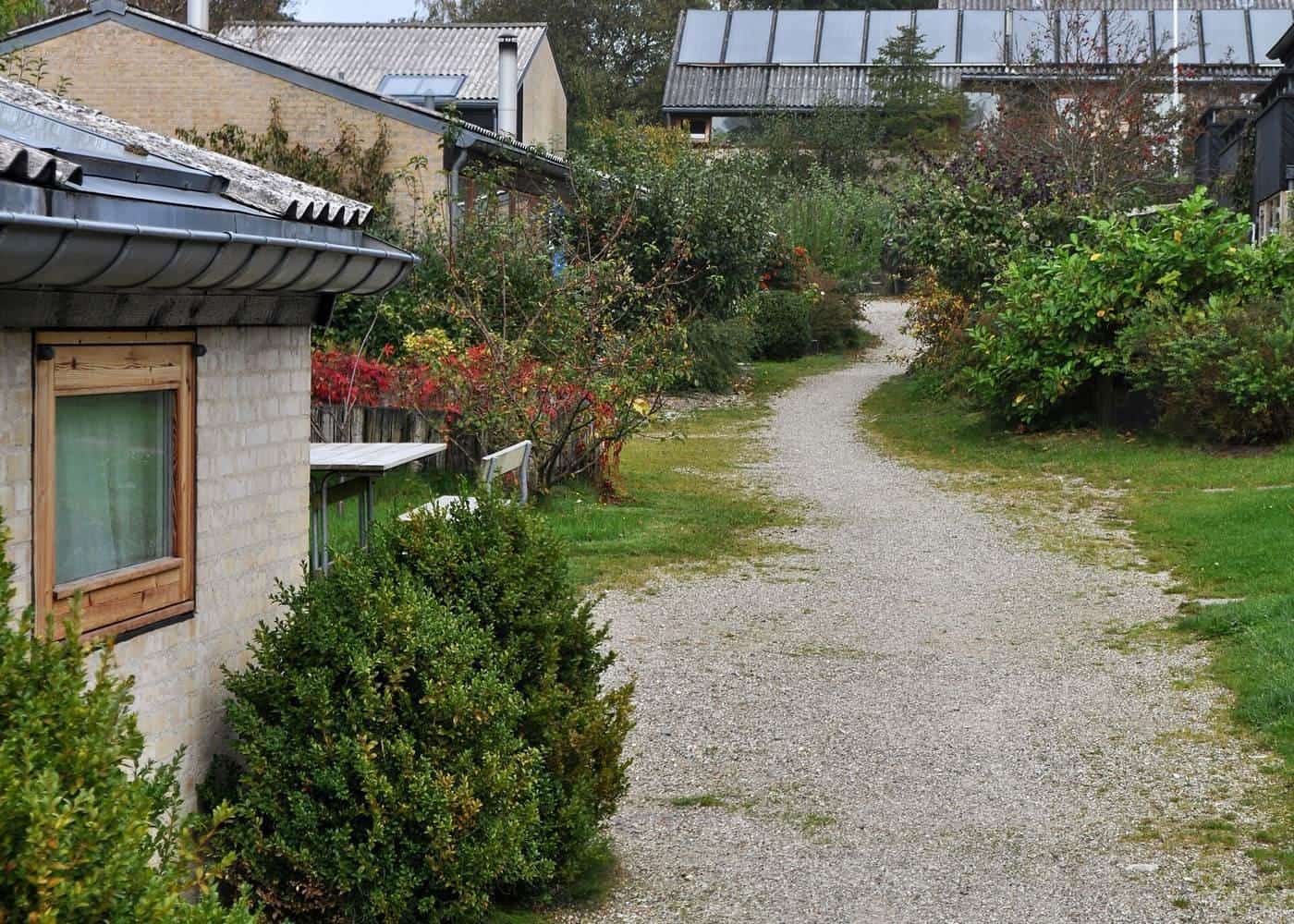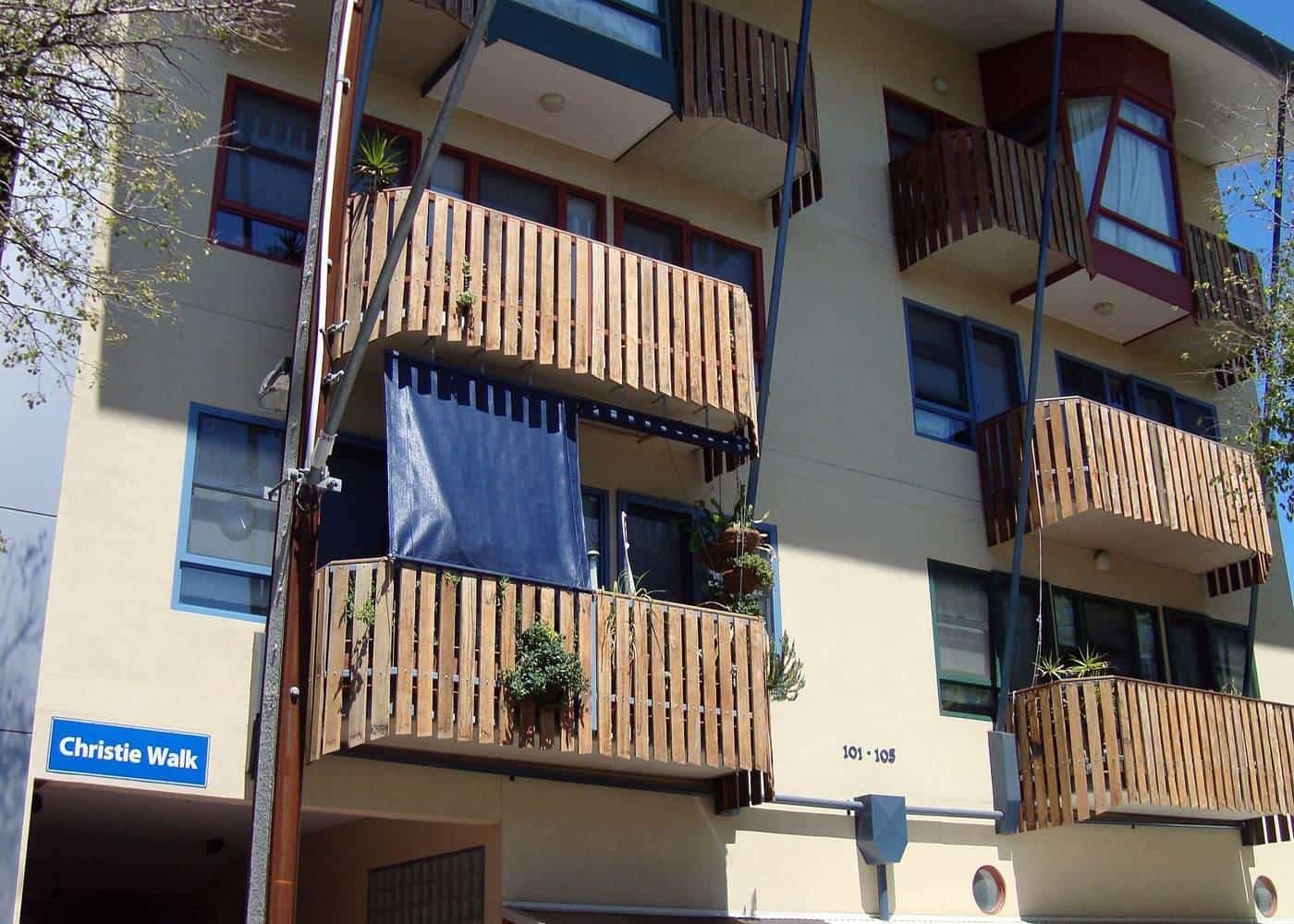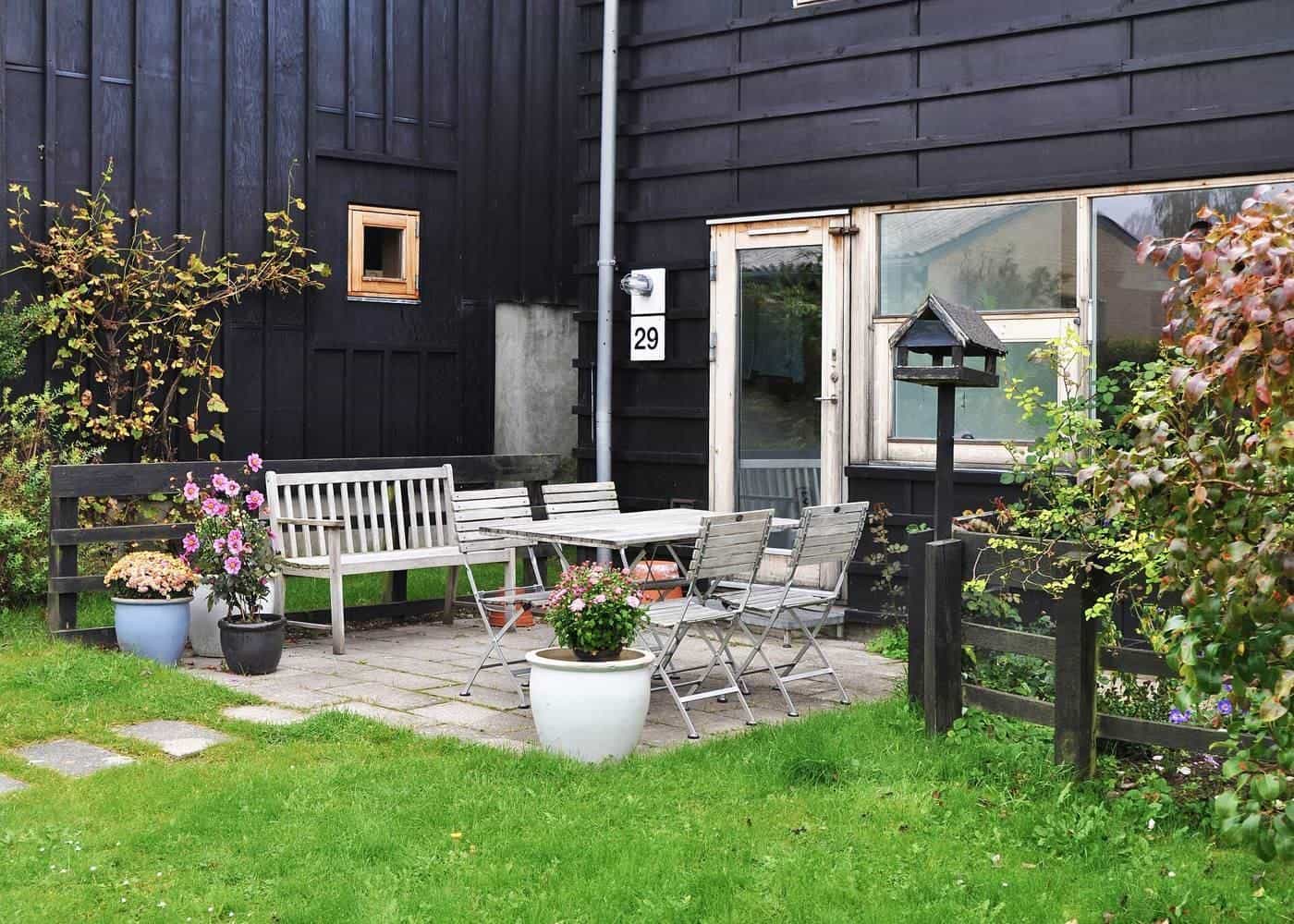
Imagine a small neighbourhood where you know everyone by name, children play safely between homes, a neighbour can water your garden when you're away, and a few evenings a week you can sit down to a shared dinner without cooking. Then you go home to your own front door, your own kitchen and your own privacy. That, in short, is cohousing.
Cohousing is a form of intentional community that began in Denmark in the late 1960s and early 1970s and has since spread to North America, Europe, New Zealand and Australia. This guide explains what makes a community "cohousing", how it differs from other kinds of shared living, and who it tends to suit. It's general information to help you explore the idea, not legal or financial advice.
The core idea
A cohousing community has two parts that work together:
- Private homes. Each household has a complete, self-contained dwelling with its own kitchen, bathroom and living space. Homes are often a bit smaller than average, because some functions move to shared spaces.
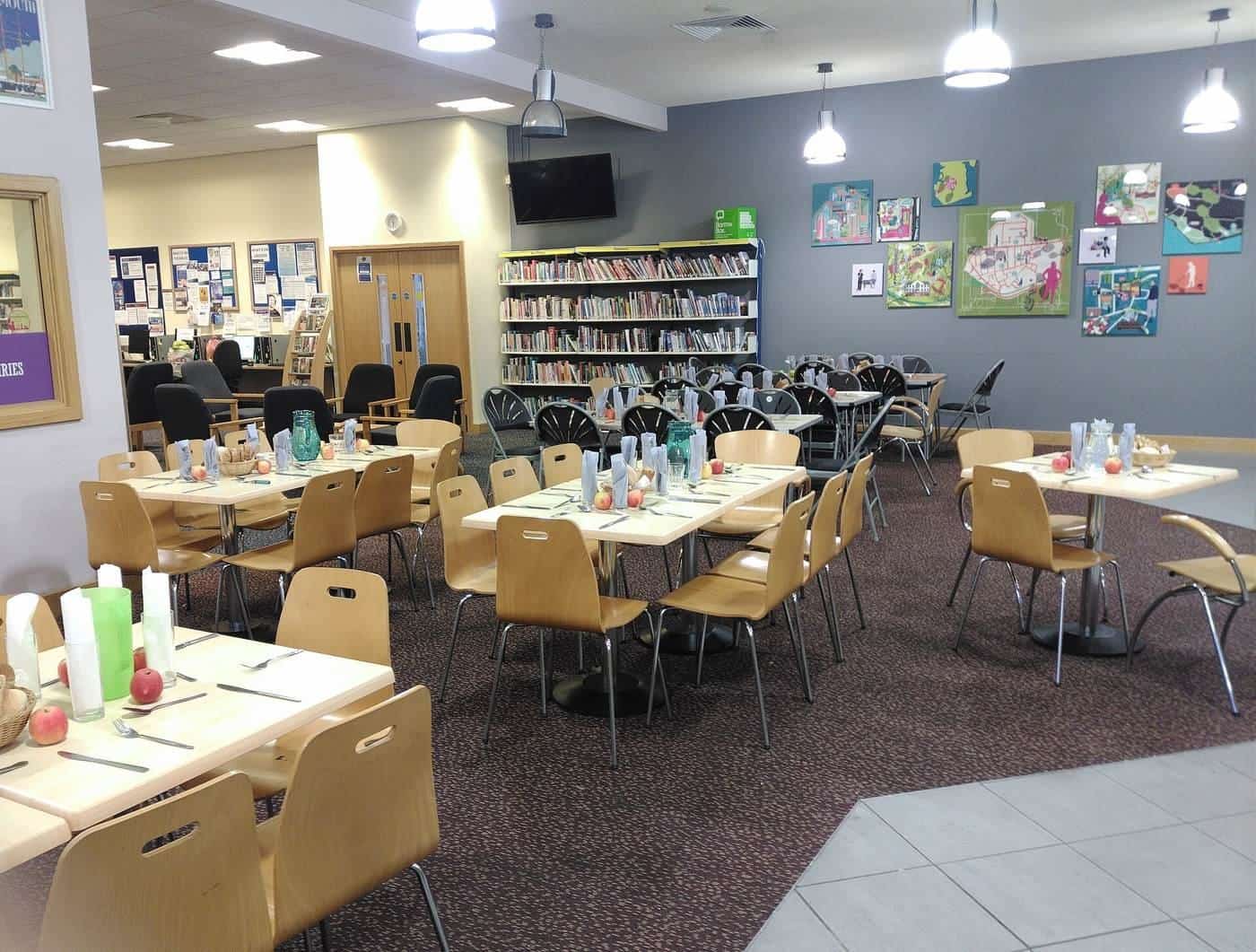
- Shared spaces and life. Residents share facilities such as a common house (often with a large kitchen and dining room, laundry, guest rooms and play or workshop spaces), gardens, paths and sometimes tools, cars or workshops. They also share some meals, work and decisions.
The balance between private and shared is the heart of cohousing. People can choose how much community they want on a given day.
Late 1960s
Origins
Denmark
10–40
Typical households
Varies by community
Own kitchen
Every home
Private and self-contained
Six features often used to define cohousing
Kathryn McCamant and Charles Durrett, the architects who introduced the word "cohousing" to English in their 1988 book, described a set of characteristics that are still widely used. They are commonly summarised as:
- Participatory process. Future residents take part in planning and designing the community.
- Neighbourhood design. The layout encourages interaction, for example with homes facing shared paths and cars kept to the edge of the site.
- Common facilities. Generous shared spaces, especially a common house, supplement private homes.
- Resident management. Residents manage the community themselves, sharing the work.
- Non-hierarchical decision-making. Decisions are made together, often by consensus or a related method, rather than by a single leader.
- No shared community economy. Residents keep their own incomes and finances. The community isn't a source of income for its members.
Not every community fits all six neatly, and newer models adapt them. But they're a useful test when you hear a development described as cohousing.
How cohousing differs from other options
| Model | Private home? | Shared spaces | Who runs it |
|---|---|---|---|
| Cohousing | Yes, self-contained | Common house, gardens | Residents |
| Co-living (commercial) | Usually a private room or studio | Lounges, kitchens | An operator |
| Commune | Often shared | Most spaces | Members, often sharing income |
| Ordinary strata | Yes | Limited (pool, gym, lobby) | Owners' corporation and manager |
| Share house | A bedroom | Kitchen, lounge | Housemates or landlord |
| Ecovillage | Varies | Land, gardens, facilities | Residents, with an ecological focus |
Cohousing can use the same legal structures as other housing, such as strata or community title, but the culture and design are very different from a typical apartment block. See legal structures.
What daily life looks like
Life in cohousing varies widely, but common threads include:
- Shared meals, often a few times a week, cooked by rotating teams.
- Working bees to look after gardens, buildings and shared equipment.
- Meetings to make decisions, usually monthly, with working groups handling detail.
- Informal connection: chatting on the path, borrowing tools, minding each other's children or pets.
- Celebrations such as birthdays, seasonal festivals and welcoming new members.
Read more about shared meals and the common house and decision-making.
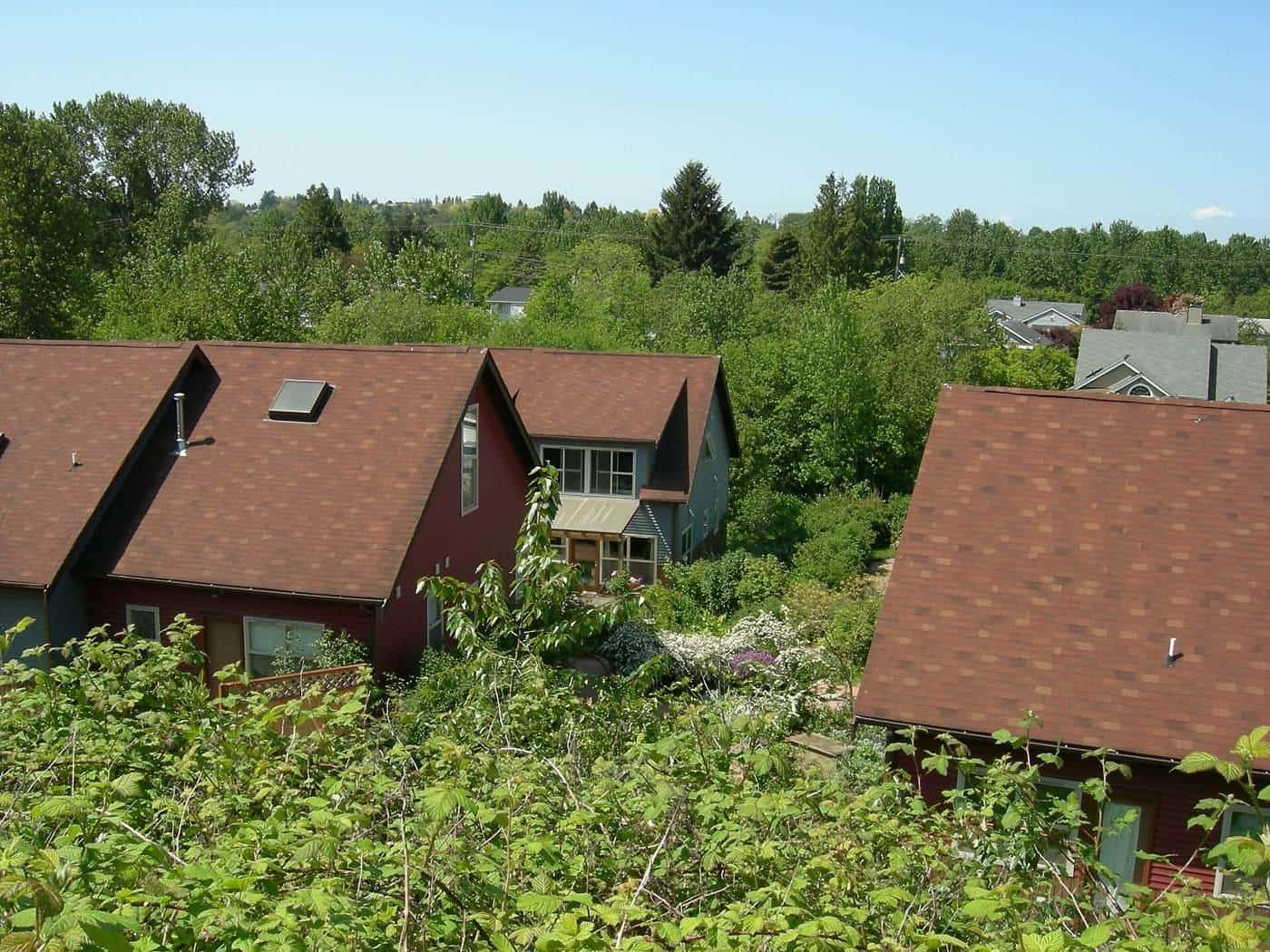
Benefits people report
Residents and researchers commonly describe benefits such as:
- Social connection and less loneliness, particularly for older people and single parents.
- Support with everyday tasks, childcare and illness.
- Safer spaces for children to play and roam.
- Shared resources, such as tools, laundries and guest rooms, that reduce duplication.
- Environmental benefits from smaller homes, shared facilities and, often, sustainable design.
These benefits depend on the community and the effort residents put in. They're not guaranteed.
Challenges to consider
Cohousing isn't for everyone. Common challenges include:
- Time. Meetings, working bees and committees take time.
- Conflict. Living closely means working through disagreements.
- Development risk. Building a new community can take years, and projects can stall or fail.
- Finance. Banks and councils may be unfamiliar with cohousing structures.
- Less anonymity. Neighbours will know you and your habits.
Who cohousing suits
Cohousing tends to suit people who:
- value community and are willing to contribute time to it;
- are comfortable with group decision-making and compromise;
- want privacy as well as connection;
- are patient, if they're joining a group that's still building.
It attracts families with young children, older people, single people and couples. Some communities are designed for particular groups, such as seniors cohousing.
Ways to get involved
There are three main ways into cohousing:
- Join an existing community when a home becomes available to buy or rent.
- Join a forming group that is planning a new community.
- Start a group yourself. See forming a group.
Many communities hold open days or welcome visitors to a shared meal. It's the best way to see whether cohousing suits you.
Is cohousing for you?
0 of 6 done
Ticks are saved in this browser only.
Common misconceptions
- "It's a commune." Residents keep their own homes and money.
- "You have to share everything." You choose how much to take part in.
- "It's only for hippies." Communities include people of all ages, backgrounds and politics.
- "It's always cheaper." It can be, but often isn't, especially for new builds.
Cohousing and sustainability
Many cohousing communities aim to reduce their environmental footprint through smaller homes, shared laundries and tools, solar power, rainwater harvesting, food gardens and less car use. Sharing makes some sustainability features more affordable, though sustainable design is a choice rather than a requirement of cohousing.
Where to find more information
Cohousing networks in Australia and overseas publish introductions, case studies and resources for forming groups. Wikipedia's cohousing article gives a useful overview with references, and McCamant and Durrett's books remain classic introductions.
Key points
Cohousing combines private, self-contained homes with shared facilities and a resident-run community. It's defined by participation, neighbourly design, common facilities, resident management, shared decision-making and separate finances. It offers connection and support but takes time and commitment. Visit communities, talk to residents and get professional advice before committing money.
Frequently asked questions
What is cohousing in simple terms?
A neighbourhood of private homes, each with its own kitchen and living space, clustered around shared facilities such as a common house and gardens, where residents manage the community together.
Is cohousing a commune?
No. Cohousing residents have their own homes and finances. They share some spaces, activities and decisions, but not incomes.
How many households are in a cohousing community?
It varies. Many communities have somewhere between about 10 and 40 households, which is large enough to share tasks and small enough for people to know each other.
Do I have to eat every meal with neighbours?
No. Shared meals are usually optional and happen a few times a week. Every home has its own kitchen.
Is cohousing cheaper than ordinary housing?
Not necessarily. Sharing facilities can save space and money, but development costs, legal structures and finance can make costs similar to or higher than comparable housing.
Sources and further reading
Facts on this page were checked against these primary and official sources. Conditions change — confirm before you travel or buy.
- Cohousing — Wikipedia
- Cohousing Australia — Cohousing Australia
- Cohousing research — Australian Housing and Urban Research Institute
- What is cohousing? — Cohousing Association of the United States